

























































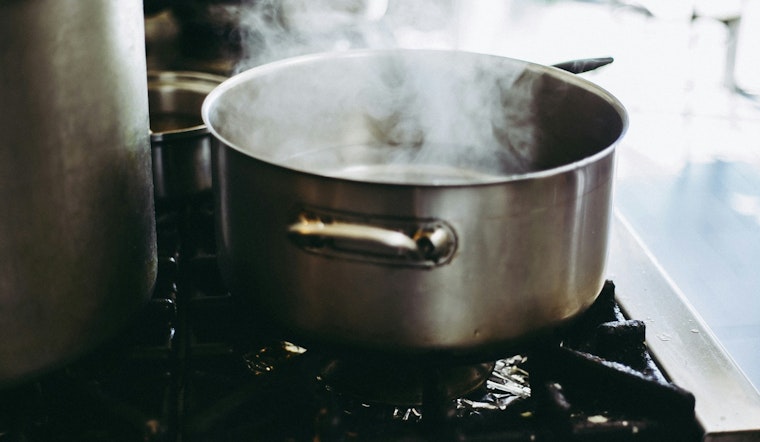
Parts of downtown Atlanta spent Friday on edge after the city warned residents and businesses to boil their tap water before drinking it, cooking with it or brushing their teeth. The precautionary advisory followed an internal power failure at the Hemphill Water Treatment Plant that left some customers dealing with low water pressure or no water at all.
City officials told anyone in the affected areas to bring tap water to a rolling boil for at least one minute before using it for drinking or food prep, or to stick with bottled water instead. The advisory will stay in place until testing confirms the water is safe.
What officials are saying
The Department of Watershed Management traced the problem to an internal power failure at the Hemphill facility. Crews are keeping an eye on plant operations and system pressure while water samples are tested, according to CBS News.
The department called the boil-water advisory an “abundance of caution” move and urged people not to drink from public water fountains in the impacted area, the outlet reported.
How to protect yourself
The City of Atlanta Department of Watershed Management instructs residents to boil water for at least one minute after it reaches a rolling boil and notes that bottled water is a safe alternative, according to the agency’s guidance on the Department of Watershed Management website.
The guidance stresses extra caution for infants, older adults and people with weakened immune systems. It also advises against using ice or water from public fountains or from refrigerator and appliance dispensers while the advisory remains in effect.
Why Hemphill matters
Hemphill is Atlanta’s oldest and largest water treatment plant and has historically supplied a major share of the city’s drinking water, according to the City of Atlanta.
The city’s long-term capital program includes a “Downtown Water Storage Tanks & Upgrades at Hemphill Pump Station” project that would add finished-water storage, backup generators and other redundancy features meant to cut down on outages and precautionary advisories, according to the project information.
What comes next
The boil-water advisory will remain in place until the Department of Watershed Management verifies sampling results and clears the distribution system. City materials note that testing and processing can take at least 24 hours.
Officials say they will post updates on the department’s channels as test results come in and as crews work to restore normal water pressure downtown.





