

























































A string of phony threats turned a normal Monday into a morning of chaos for several suburban Philly school districts, and now the FBI is on the case. A wave of swatting calls triggered police responses across Bucks, Montgomery and Chester counties, with one campus in Fairless Hills shutting down altogether after a caller claimed to be heading there with an assault rifle and a pipe bomb. Police later found no credible danger, but the jolt to students, staff and families lingered long after the all-clear.
Timeline and immediate response
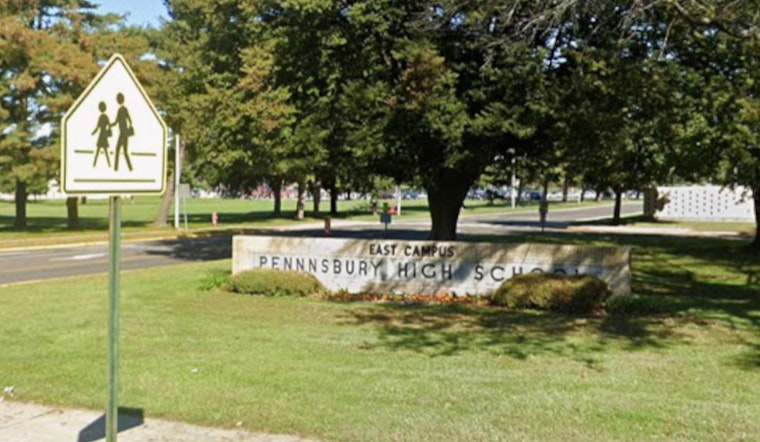
Pennsbury High School’s East campus in Fairless Hills got the first jolt around 7:55 a.m., when a caller using a California phone number claimed they were on the way to the school with weapons and explosives, according to FOX 29 Philadelphia. Falls Township police and school leaders immediately put the building in a secure hold, rerouted buses and sheltered or dismissed students while officers methodically cleared the campus.
By midmorning, investigators had determined the threat to Pennsbury was not credible, but the district kept the East campus closed for the rest of the day as a precaution. The same reporting notes that Plymouth Whitemarsh, Conestoga, Hatboro‑Horsham, Council Rock North, Palisades and North Penn high schools were among the other campuses hit with similar hoax calls, prompting brief lockdowns and heavy police presence while each report was checked out.
Districts say they were monitoring
Central Bucks officials reported they did not receive any direct threats but stressed that they were closely tracking the situation and coordinating with local police, according to Patch. Other districts said they boosted officer presence on school grounds and reminded families that counseling would be available for students and staff shaken by the disruptions.
Administrators also repeated a message that has become grimly familiar in the era of frequent school threats: parents should not rush to buildings in the middle of an active response. Instead, they urged families to wait for official reunification instructions so officers and staff can focus on safety rather than traffic jams and crowded entrances.
State and federal agencies step in
Gov. Josh Shapiro wrote on X that the Pennsylvania State Police were investigating the “multiple unfounded threats” and said he had ordered troopers to use “every resource” to track down whoever is responsible, as reported by FOX 29 Philadelphia. FBI Philadelphia said it is working closely with state and local partners and urged anyone with information to contact the bureau.
The field office’s outreach materials also remind the public that making hoax threats is a federal crime that can be prosecuted, according to FBI Philadelphia. Investigators said they are working to trace where the calls originated and to determine whether the various incidents are connected.
Why swatting is dangerous and how it's handled
Authorities say swatting is more than a bad prank. False reports yank police and medics away from real emergencies and create dangerous situations for students, staff and first responders sprinting toward what they must assume is an active threat. Federal prosecutors recently announced charges in a swatting campaign that targeted universities, underscoring that these hoaxes can and do lead to criminal indictments, according to the U.S. Attorney’s Office for the Eastern District of Pennsylvania.
Research from RAND and other analysts shows threats against schools have climbed in recent years, making it harder for districts to quickly distinguish between credible dangers and viral hoaxes. Law enforcement officials emphasize that every threat is treated as real until officers can safely confirm otherwise.
What families should do
Officials are asking residents to report any suspicious calls or online threats directly to local police and to the FBI tip line. Nonemergency worries can be routed through district reporting systems and Safe2SayPA, which local districts list as an anonymous option.
Earlier coverage of a separate May 2 lockdown noted that districts typically keep buildings in a “secure” status while they assess possible outside threats and that counselors are often made available once the situation is resolved. Schools again stressed that parents should wait for official directions rather than converging on campuses in the middle of an unfolding response.
What happens next
Investigators say they will keep combing through call records and coordinating across county lines as they chase down leads, according to statements from federal and local authorities. Anyone with information is urged to contact local police or the FBI tip line at 1-800-CALL-FBI.





