

























































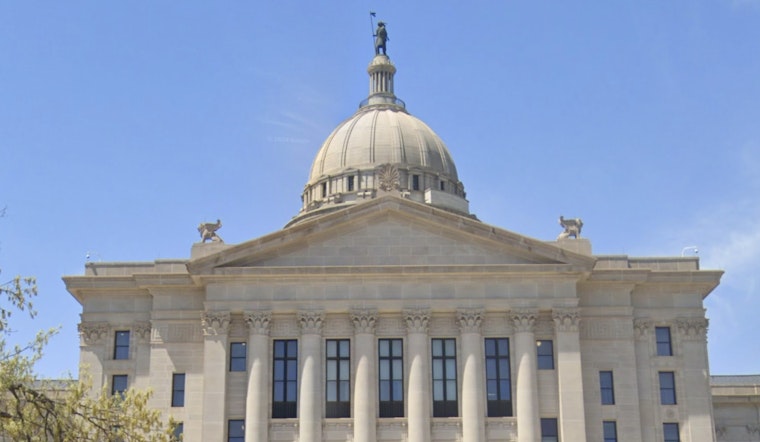
Hundreds of Oklahomans dressed in red filled the steps of the State Capitol and gathered under a pavilion at Wiley Post Park on Tuesday for Missing and Murdered Indigenous Peoples Awareness Day. Families carried photos, sat in talking circles and shared stories of relatives who disappeared or were found dead with few explanations. The day was part memorial and part demand for answers, a blunt reminder that many of these cases are still waiting for justice.
Gatherings At The Capitol And Riverfront
Family members met at the Oklahoma State Capitol and at the pavilion in Wiley Post Park to honor missing loved ones and press for action, as reported by KOCO. Melena Gibson Arneecher told the outlet that her uncle, Jason Gibson, has been missing for 31 years. Other relatives described both recent deaths and cold cases that have stretched on for decades without resolution. The atmosphere mixed quiet remembrance with clear frustration at how slowly some investigations are moving.
State Investigators, Community Outreach And A New Database
The Oklahoma State Bureau of Investigation says it is working many of these cases and has increased community outreach and data collection efforts. "We have been investigating a lot of these cases. We have been doing a lot of community outreach and training, and also data collection," Special Agent Dale Fine told KOCO. OSBI maintains a Missing Persons Clearinghouse and notes that state laws such as Francine’s Law require more consistent entries into national systems like NamUs, which officials say can help speed identifications and case closures. The agency lists resources and a family contact line on its website (OSBI).
National Scope, Local Consequences
Advocates and policy analysts say Oklahoma remains one of the states most affected by missing and murdered Indigenous people, and that gaps in data and confusion over overlapping jurisdictions often complicate investigations, according to the Oklahoma Policy Institute. Across the country, May 5 events called for stronger federal coordination after reporting showed that Native Americans face higher rates of violent crime and that thousands of missing person cases involving Indigenous people remain open, AP News reports.
What Families Want Next
Relatives at the rallies said they plan to keep pressing elected officials and law enforcement for answers, and they want the liaison roles created by state law to come with real, lasting resources. Ida’s Law established a missing and murdered Indigenous peoples liaison within OSBI, but advocates say implementation and funding are still uneven, KOSU reports. For families seeking help now, the OSBI Missing Persons Clearinghouse outlines how to file a report, submit information to NamUs and connect with investigators through a dedicated family contact line (OSBI).





