

























































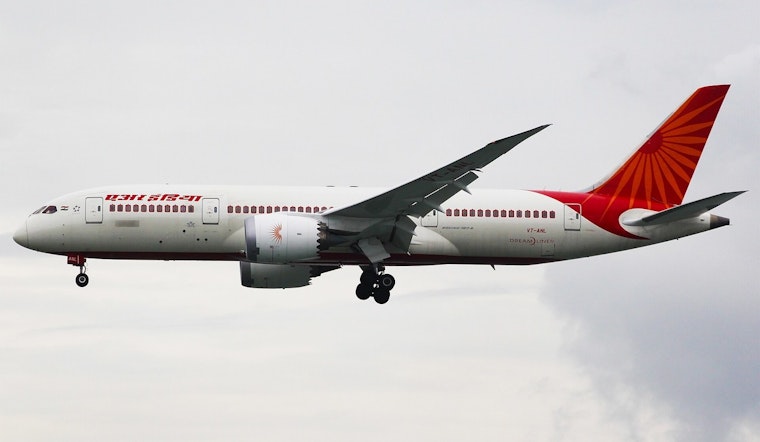
India is dispatching its air-safety watchdogs to Boeing's home turf in Seattle to personally watch lab tests on a fuel-control switch panel pulled from an Air India 787. Pilots on a London - Bengaluru flight in February reported a latch problem, and now that same hardware is headed under the microscope as investigators close in on a final report into last June's deadly Ahmedabad crash involving another Dreamliner.
Documents seen by Reuters say the testing, described by Indian officials as "sensitive," is expected in June, roughly lining up with the crash anniversary. A March 9 email from the Directorate General of Civil Aviation instructed Air India that a DGCA officer must be present for the strip-and-test examination at Boeing's premises, the documents show.
What Investigators Found
India's Aircraft Accident Investigation Bureau preliminary report found the two engine fuel-control switches on the crashed 787 went from RUN to CUTOFF within about one second of each other, cutting fuel to both engines. The 15-page preliminary report lays out the timeline and recorder data in detail, and officials say laboratory testing could help determine whether the movement was mechanical or human-caused, according to the AAIB.
Panel Sent To Boeing For Lab Tests
In February, crew on Air India Flight AI132 at London Heathrow reported that a fuel switch did not stay latched on the first two engine-start attempts but was stable on a third. Boeing later told Air India privately that the module was "serviceable." The module was then shipped to a Boeing facility in Seattle for controlled testing, and the DGCA insisted the strip-and-test be carried out in its presence, with Air India covering travel for two DGCA officials. Boeing also issued a service bulletin after the February flight reminding 787 operators of existing procedures, according to Reuters.
Regulators And Manufacturers Weigh In
The U.S. Federal Aviation Administration has said the crash does not appear to have been caused by a mechanical issue, a view reported by Flying, which quoted FAA Administrator Bryan Bedford. Air India and the DGCA have said preliminary fleet checks turned up no faults with the switch locking mechanism, according to AP.
What To Watch Next
Lab results from Boeing's Seattle tests could provide direct evidence about whether the panel behaved within design tolerances and whether external pressure at an unusual angle could move a locked switch. Regulators in India and abroad are expected to review any findings as the AAIB moves toward a final report, and those results could shape future guidance or formal directives, according to the AAIB.



