

























































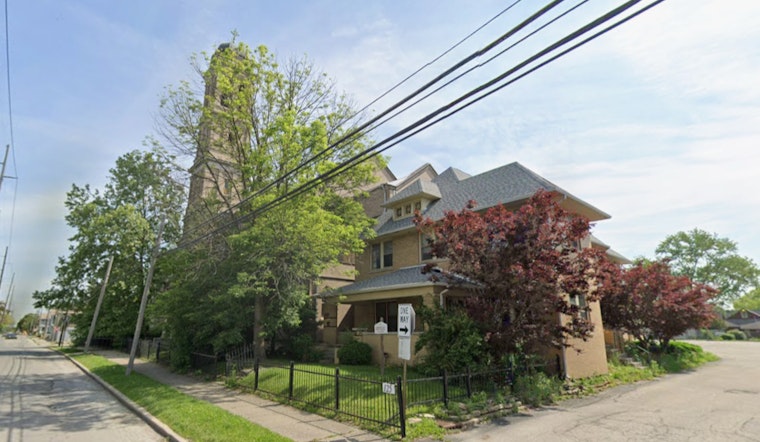
A federal judge has refused to toss a lawsuit from St. Philip Neri over Indianapolis' landmark designation for the former Church of the Holy Cross on the near east side, keeping a years-long standoff between the parish and preservation advocates very much alive. The ruling means the case, which centers on religious freedom, church autonomy and local land-use rules, now moves into the next phase of litigation.
On Tuesday, the judge denied the city's motion to dismiss St. Philip Neri's complaint, according to WTHR. Parish attorney Roman Storzer said in a news release that "the church was successful on every point" and that the decision allows the case to move forward.
What's in the complaint
St. Philip Neri filed a 41‑page complaint in the U.S. District Court for the Southern District of Indiana on Dec. 30, 2025, asking the court to reverse the city's landmark designation and related land‑use decisions, according to court records and reporting by The Indiana Lawyer. The complaint argues that the Indianapolis Historic Preservation Commission and the Metropolitan Development Commission placed an unlawful burden on the parish's religious exercise and violated federal protections, including the Religious Land Use and Institutionalized Persons Act.
Preservation fight and neighborhood
Neighbors and preservation advocates have been pushing to save the Italian‑Renaissance church, saying it anchors the Holy Cross neighborhood and could be repurposed for community use. City panels denied the parish's request to demolish the structure and moved to protect the campus. Local coverage has detailed months of hearings, petitions and tightly packed public meetings as residents urged the Historic Preservation Commission to preserve the site, according to WRTV.
Money on the line
St. Philip Neri says the landmark designation leaves the parish stuck either paying indefinite upkeep or selling the property and risking future uses that would violate Catholic law. The parish reported spending nearly $80,000 on the campus in 2024, roughly 20% of its annual budget, while restoration estimates run about $7.5 million to $8.5 million and the site is appraised at roughly $1 million, WTHR reported. The complaint says those costs have diverted money from active ministry and left the parish with very few practical options for the property.
Legal stakes
The case puts front and center RLUIPA (42 U.S.C. §2000cc) and the First Amendment's church‑autonomy doctrine, testing whether municipal preservation rules improperly second‑guess religious decisions about sacred property. An amicus brief supporting the parish urges courts to closely guard religious land‑use choices; see the filing from the Religious Freedom Institute and the statutory text as published by the Legal Information Institute for additional legal background.
What's next
With the city's bid to dismiss the case rejected, the lawsuit now heads into discovery and scheduling. No trial date has been set, and the parties will return to court for case management and to sort out next steps. Entries on the Southern District of Indiana docket, available via Justia, will track how the litigation unfolds as the case moves forward.





