

























































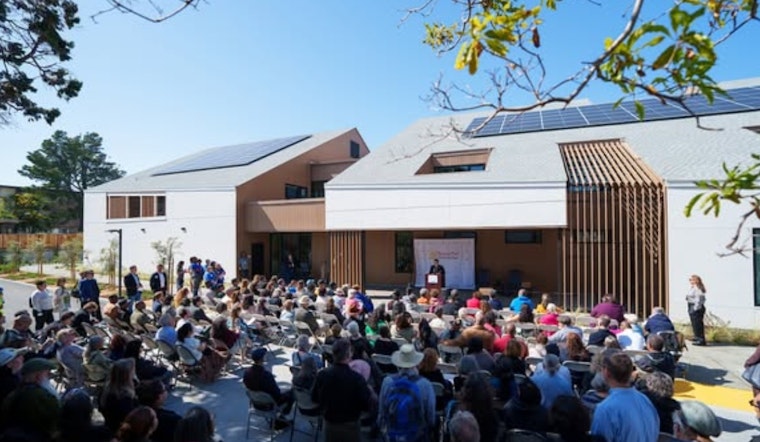
On Thursday, Alameda quietly flipped the sign to "open" on Arnold's Place, a 50‑bed medical respite center on McKay Avenue that is designed to give unhoused neighbors a dignified place to heal after illness, surgery or a hospital stay. The new facility sits on the footprint of the long‑planned Alameda Wellness Campus and is named for Arnold Perkins, a longtime local public‑health leader.
City officials and nonprofit partners used the opening to publicly thank Alameda Point Collaborative staff, giving special credit to Doug Biggs for steering the project over the finish line.
A place to heal
In a post from the City of Alameda - Local Government, officials shared photos from the ribbon cutting and described Arnold's Place as a site that "provides a safe haven for those recovering from illness or surgery," while thanking the many partners who helped make it real.
Alameda Point Collaborative, which is sponsoring the project, also announced the opening and called Arnold's Place "a new model of integrated care" for unhoused neighbors who are too sick to be on the street yet have nowhere stable to go.
Services and capacity
The Alameda Wellness Campus website outlines the McKay Avenue campus as home to a 50‑bed medical respite program that will serve about 400 unhoused Alameda County residents each year, along with roughly 100 supportive housing units and an on‑site LifeLong Medical Care clinic. The campus is set up to provide post‑acute medical monitoring, case management, behavioral health support and housing navigation for people who otherwise would have no safe place to recover, according to Alameda Wellness Campus.
Why medical respite matters
Medical respite programs are designed to bridge a stubborn gap in the safety net: what happens after a hospital discharge if you are too fragile for a shelter cot or a tent on the sidewalk. By offering short‑term recovery beds, these programs have been shown to reduce readmissions and improve health outcomes for people without housing.
The Alameda Wellness Campus model, developed over several years with input from community members and nonprofit partners, has been highlighted as an example of how to blend housing and health care services by the California Health Care Foundation.
Funding and partners
Alameda Point Collaborative is leading the project, with LifeLong Medical Care and Mercy Housing as core partners. State and county capital funding helped move the campus from drawing board to construction.
County documents show that the Health Care Services Agency approved a capital award supported by Measure A and MHSA dollars and that a major Community Care Expansion grant helped finance the respite center and clinic construction, according to Alameda County.
Who can get care and what comes next
According to Alameda Point Collaborative, Arnold's Place will operate on a referral basis. Clients will be referred by agencies in the county Coordinated Entry system, hospital discharge planners and partner organizations, with 211 and housing navigators helping connect eligible people to an open bed.
Organizers say the center will begin serving Alameda County residents immediately while partners coordinate long‑term operations and housing transitions for people leaving medical respite. Supporters are framing the opening as a concrete step toward closing care gaps for some of the region’s most medically vulnerable unhoused residents, and they plan to track how Arnold's Place performs as it welcomes its first guests and links them to follow‑up treatment and housing services.




