

























































A West Palm Beach man is behind bars after authorities say he posted an Instagram video threatening to “shoot up” homes and the Palm Beach County courthouse. The clip sparked a joint federal and local investigation that quickly led detectives to a suspect, who now faces a felony charge tied to the online threat.
Jesus Thomas Max Horne, 36, was arrested Tuesday on a charge of written threats to kill or do bodily injury, according to NBC6 South Florida. The arrest affidavit cited by NBC6 describes an Instagram video showing a person wearing a skull-style face covering and dark latex gloves while driving. On-screen text read, “Forgive me lord, but I am going to shoot up couple of houses and the courthouse today!!! Idgaf.” Investigators told NBC6 that Meta flagged the post to law enforcement, and agents used the account’s IP address, platform records and visual clues from the video to identify the account holder and make the arrest.
How Investigators Zeroed In
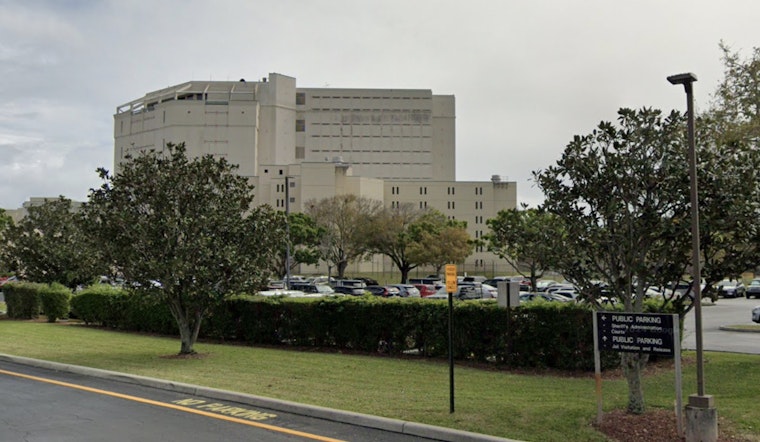
Social platforms can escalate violent or terroristic content to federal partners, who often relay those alerts to local agencies to start a case. In Palm Beach County, once someone is arrested, booking information and detention details are posted in public online records. Arrestees are held at the Main Detention Center in West Palm Beach, and both the jail roster and related booking data are maintained by the Palm Beach County Sheriff’s Office. Those public systems are where officials typically log a suspect’s booking and the charges attached.
Local Pattern Of Social Media Threats
Authorities say this is not a one-off problem. In recent years, social media threats have repeatedly drawn police attention and led to arrests in the county. For example, WPTV reported on a West Boca Raton man who was arrested after alleged online threats of a mass shooting at a synagogue, highlighting how tips or platform notifications can quickly trigger local probes.
Legal Stakes For Online Threats
In Florida, typing out a threat is not treated as a joke. State law makes written or electronic threats to kill, injure or carry out a mass shooting a criminal offense. Under Florida Statute 836.10, sending or posting a written or electronic communication that contains such a threat is a felony. The statute specifically includes electronic records that can be viewed by others, which covers the kind of social media post described in Horne’s case.
What Happens Next In The Case
As of the initial report, Horne had been booked into the county jail and appeared on online booking records. Any formal court filings, scheduled hearings or prosecution steps will be recorded in the Palm Beach County clerk’s public records once they are submitted. Local and federal investigators typically coordinate to gather evidence and present it to prosecutors, and future court dockets will show how the charge proceeds, including hearings and any bail information.
If you come across a threatening post or receive a tip about possible violence, authorities urge you to call 911 or contact local law enforcement so investigators can document and evaluate the threat.





