

























































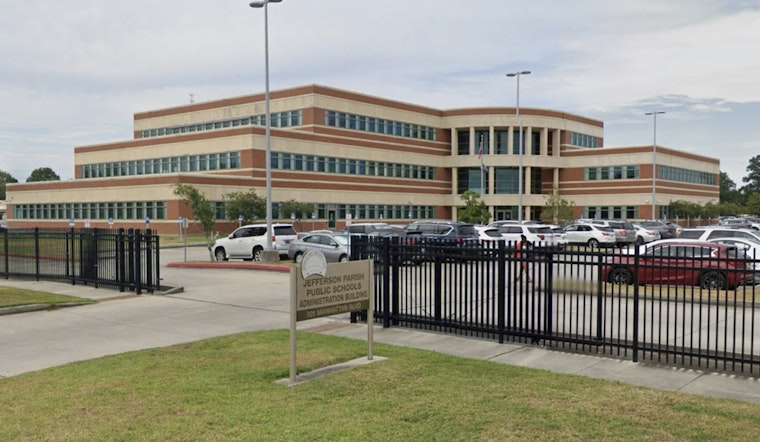
Jefferson Parish just lined up against a statewide push for fully paid parental leave, with the School Board voting unanimously to oppose a bill that would give public school employees six weeks of paid time off after the birth or adoption of a child. Board members said the proposal could drain an already thin substitute teacher pool and tangle the district in federal compliance problems, warning that relaxed documentation rules for longer medical leave might even jeopardize federal funding. The resolution, passed at a meeting in Harvey, turns Jefferson Parish into a local flashpoint over legislation that has already sailed through the Louisiana Senate.
According to NOLA.com, the board adopted a formal resolution against Senate Bill 157, known as the Parental Leave for Educators Act, after public testimony and board debate. Board member Derrick Shepherd said he supports the overall goal of giving educators paid parental leave but argued that some of the bill’s language could let employees stay out for extended periods without the kind of medical documentation districts usually require. Teachers who backed the bill countered that guaranteed paid leave would make it easier to recruit and retain staff in a system that is already struggling to fill classrooms.
What SB 157 Would Do
SB 157, authored by Sen. Samuel Jenkins, would set up a Parental Leave for Educators program that grants eligible local education agency employees six weeks, or 240 hours, of paid leave at 100% of their base salary. During that period, employees would be barred from tapping into any accrued sick or annual leave. The bill also creates a special fund intended to reimburse districts for the cost of substitutes, with the details laid out in the measure posted on the Louisiana Legislature website.
The Legislative Fiscal Office analysis attached to the bill estimates that reimbursements could reach about $5.5 million per year in a scenario where districts rely heavily on substitutes. At the same time, the office notes that the program would only move forward if lawmakers actually appropriate the money. The Senate approved SB 157 on a 32 to 0 vote, and the proposal now moves across the Capitol to the House.
Board response and teacher testimony
As reported by NOLA.com, teachers and parents who spoke at the Jefferson Parish meeting tried to put a human face on the policy. One of them, Melanie Cade, told the board that six weeks of paid leave "would have made such a difference" when she was raising her child as a single mother.
Board members, for their part, leaned heavily on staffing concerns. The district started the 2025–26 school year with roughly 70 open teaching positions, and several members said that finding qualified long-term substitutes is already a struggle. Shepherd told colleagues he intends to take the board’s objections straight to lawmakers in Baton Rouge next week.
Supporters point to recruitment and retention
Backers of SB 157 argue that a statewide, guaranteed paid parental leave policy would give Louisiana school systems a much-needed edge in hiring and keeping educators, especially in schools that have been fighting chronic vacancies. They say that when teachers know they can afford to take time off with a new child, they are more likely to stay in the profession instead of walking away.
Advocacy groups including A Better Balance have promoted similar parental-leave guarantees, arguing that clear, paid-leave protections tend to improve retention in hard-to-staff districts where turnover is already a problem.
What happens next
Even supporters acknowledge that the heart of the plan is the reimbursement fund, which only works if the Legislature actually puts money in it. As SB 157 moves through the House, lawmakers there can rewrite or tighten provisions on documentation, tweak the funding language, or narrow who qualifies, all of which could reshape how the program functions in districts like Jefferson Parish.
With the Senate already on record in favor, Jefferson Parish officials say they will keep pushing their operational worries at the Capitol while House members take up the bill. The local resolution does not stop the legislation, but it does signal that one of the state’s largest districts wants major changes before any new mandate lands on its doorstep.
Legal questions
Board members are particularly uneasy about how the proposal might intersect with federal law. SB 157 specifies that paid parental leave would run at the same time as leave under the federal Family and Medical Leave Act, but critics on the board argue that the bill does not clearly require the same kind of medical certification districts often demand for longer medical absences. That gap, they say, could expose the district to compliance headaches and even threaten federal dollars if state rules and federal expectations do not line up.
For background on how FMLA certification and job-protected leave normally work, the U.S. Department of Labor provides detailed federal guidance. Any final legal outcome, though, will hinge on whatever version of SB 157 emerges from the House and on how state agencies eventually instruct districts to carry it out.





