

























































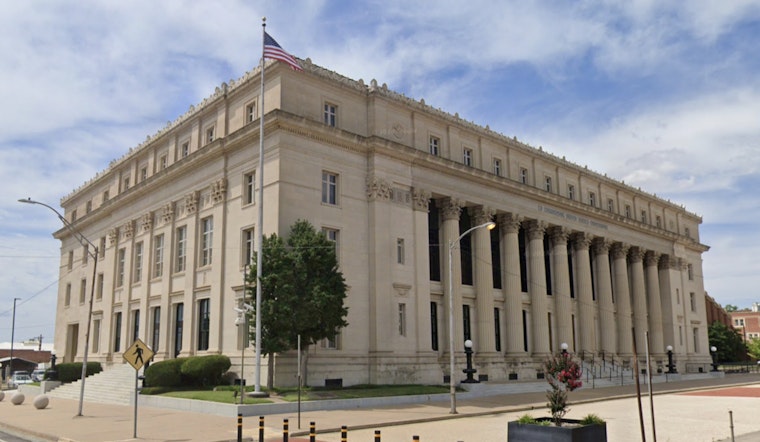
Henryetta just got pulled over in federal court. A U.S. magistrate judge has temporarily barred the city from prosecuting Native Americans in municipal court, issuing a preliminary injunction that blocks Henryetta from issuing or enforcing criminal citations against tribal citizens inside city limits. Filed May 13 in the U.S. District Court for the Eastern District of Oklahoma, the order came after the Muscogee (Creek) Nation sued the city last year. For now, the injunction covers traffic offenses, misdemeanors and municipal‑code violations, although the judge noted that municipalities may still work with tribal authorities through cross‑deputization agreements.
Judge's order: what it does
U.S. Magistrate Judge Jason A. Robertson signed a 36‑page opinion granting the Muscogee Nation's motion for a preliminary injunction and wrote that “this injunction draws no new line” in the existing legal landscape. The ruling prevents Henryetta from issuing or enforcing municipal criminal citations against Native Americans within the city limits while the lawsuit plays out. Robertson also emphasized that cities remain free to enter cross‑deputization agreements with tribal governments and pointed to Coweta as one example of that kind of cooperation, according to NonDoc.
How the case sits on the docket
The Muscogee (Creek) Nation filed its lawsuit in July 2025, asking a federal court to declare that Henryetta lacks authority to prosecute tribal citizens on reservation land and to stop the city from ticketing them. The case is captioned Muscogee (Creek) Nation v. Henryetta, No. 6:2025cv00227, and the public record reflects months of hearings, filings and a December 2025 settlement conference before the May ruling, according to the federal docket at Justia.
Why the law matters
Robertson’s ruling leans on treaties and Supreme Court precedent that treat parts of eastern Oklahoma as Indian Country, a legal framework that stems from McGirt v. Oklahoma, which held that only Congress can disestablish those reservations. The post‑McGirt landscape, shaped further by decisions such as Castro‑Huerta, has left courts to sort out difficult questions about state and municipal authority. Robertson’s opinion works through that precedent rather than trying to reinvent it. For the legal background, the McGirt and Castro‑Huerta opinions are available through the Legal Information Institute and the Legal Information Institute.
Reactions from tribal and state leaders
Muscogee Nation Principal Chief David Hill welcomed the order as a victory for tribal sovereignty, while Gov. Kevin Stitt publicly disagreed with the court’s approach, according to reporting on the opinion. Henryetta officials have said they will review their legal options in response to the injunction. Those reactions were gathered in coverage of the ruling by NonDoc.
A wider legal tug‑of‑war across eastern Oklahoma
The Henryetta decision is one skirmish in a larger fight over who may prosecute crimes on reservation land in eastern Oklahoma. Tribes, municipalities and state attorneys have been clashing in federal courts since McGirt reshaped the map. The Muscogee Nation first asked a federal court to step in after local officials continued ticketing tribal members, as reported when the tribe filed its lawsuit last July by KOSU. Federal and tribal cases involving city and county prosecutors remain active across the region.
What happens next
The injunction is preliminary, which means it stays in place while the underlying lawsuit moves forward and while the parties continue to fight over the legal questions. Any appeal or motion to change the order would be filed in federal court, and the docket shows the case is still active after earlier settlement talks failed to resolve the dispute. For now, Henryetta officers have to pause municipal citations of tribal citizens unless those stops are covered by formal agreements that appear in the court record at Justia.




