

























































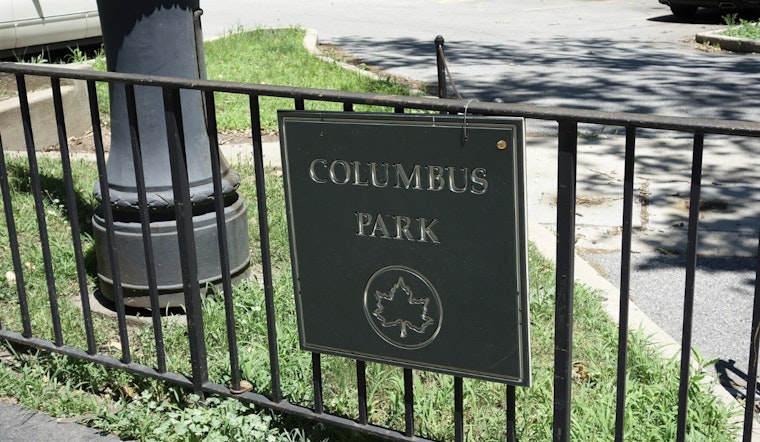
A modest strip of asphalt is throwing a major wrench into Downtown Brooklyn’s big park plans.
The city’s effort to remake Columbus Park, the eight-acre plaza stretching from Joralemon to Tillary streets, has hit a familiar snag: a small parking lot reserved for state-court judges. Elected officials and neighborhood groups say the lot sits on parkland and argue that judges’ refusal to move their cars is holding up Phase 1 of the long-awaited redesign.
City leaders say they already have $21 million in hand for the first phase of the overhaul, yet that pocket of pavement near Joralemon and Adams remains the key holdout slowing construction timelines. According to News 12, officials say the money will pay for early upgrades aimed at making the underused plaza feel safer and more inviting.
What the redesign would do
Design teams led by WXY Studio and Michael Van Valkenburgh Associates, working with the Downtown Brooklyn Partnership, have drawn up plans that would replace the judges’ lot with a sloped lawn and a small pavilion, along with a playground, dog run and skate facility. As outlined by the Downtown Brooklyn Partnership, Phase 1 also calls for new trees, more seating and accessible water features, plus a one-story building with restrooms and concessions. Supporters say the makeover would finally stitch Borough Hall into a continuous green spine that links Downtown Brooklyn to Brooklyn Heights.
Why the courts push back
The Office of Court Administration is not sold on giving up the asphalt. The current lot, a spokesperson told News 12, “provides the necessary security for our judges who are under increasing threats.” Court officials say every alternative floated so far falls short on protection and proximity for judges arriving at and leaving the courthouse.
Officials say alternatives were offered
Councilmember Lincoln Restler and Borough President Antonio Reynoso say they have pitched several workarounds, from valet services to reserved spaces in nearby garages, including the Marriott across Adams Street. Judges have turned those ideas down, according to reporting by the Brooklyn Eagle. Backers of the project argue those options would maintain security while restoring that slice of what they view as parkland to public use.
History and the legal backdrop
The tug-of-war is not new. Judges began using part of the plaza for parking decades ago, and a 2008 memorandum of understanding appears to have locked in the remaining 36 spaces, the New York Law Journal reports. That written agreement is why judges have warned they could seek to enforce the deal, a reality that makes any political push to reclaim the site more complicated.
What’s next
Supporters of the redesign say they will keep negotiating with the court system while they chase the remaining funding, roughly $75 million in all, that they estimate the full rebuild will require. The Brooklyn Eagle notes that elected officials have reached out to Mayor Zohran Mamdani and met with the corporation counsel in an effort to hammer out a solution this spring.
Legal implications
Because the parking setup is grounded in a documented agreement, legal observers say any move to eliminate the lot could spark litigation that might delay construction even if the money and political will are there. The New York Law Journal recorded judges saying they would “try to enforce the agreement” if needed, a reminder that the clash is as much about contracts and jurisdiction as it is about park design.
Neighbors and park advocates have largely lined up behind repurposing the lot, arguing that a real green space would serve the community better than private parking. Local coverage, including reporting by BK Reader, points to strong public appetite for the redesign. For now, though, any breakthrough will hinge on resolving a three-part puzzle: security for judges, the project budget and the legal weight of that 2008 deal.





_02_-_Columbus_Park.jpg)