

























































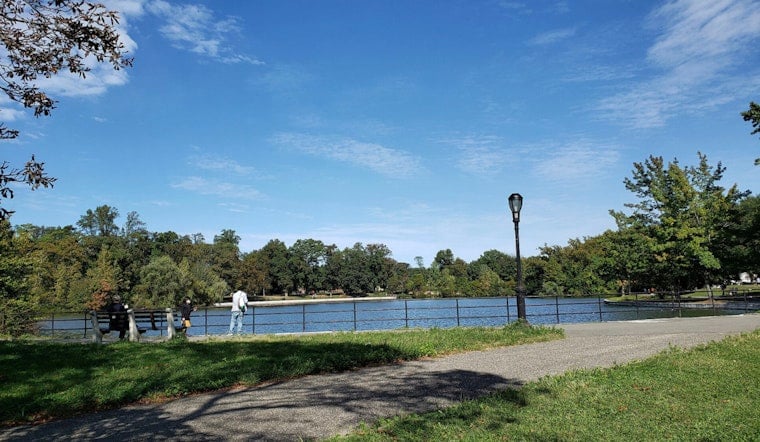
Parts of Kissena Park in Flushing are limping into another summer without running water, with drinking fountains, restrooms and sprinklers still shut after years of outages. Regulars say the dry spell has quietly rewritten weekend routines: bocce courts go unwatered, kids skip the sprinklers, and parents lug cases of bottled water for long days in the sun.
The situation is drawing fresh scrutiny as elected officials and city agencies debate whether to pour tens of millions into underground repairs or lean on temporary workarounds yet again.
What the city has planned
The 235-acre green space, home to Kissena Lake, the city’s only public velodrome and multiple playgrounds, is a major neighborhood hub, according to NYC Parks. City officials say help is coming, at least in one corner of the park.
The Department of Design and Construction has a new ADA-compliant restroom building in the pipeline for Kissena Park, with a notice to proceed posted in May 2025 and construction expected to begin in early 2026. That project focuses on accessibility and modern facilities, not the aging water service lines that feed broader sections of the park. DDC says the restroom is slated for substantial completion by the end of 2026.
Residents say summer staples are gone
"It’s about six years since we had water at the park," bocce player Julio Mora told reporters, describing courts that depend on running water for proper maintenance and play.
Grandmother Karen Blatt said the dry taps have stripped away simple summer rituals: no sprinklers for the grandkids, no water balloons, and far fewer impromptu cool-downs. Parent Shaista Rafiqi added that working fountains would be one less thing to stress about when you are wrangling children outdoors all day.
Advocates estimate that roughly one-third of Kissena Park is without functioning drinking fountains and bathrooms, a problem detailed by CBS News New York. The result is a park that looks inviting on a hot day but, for many families, is harder to use the way it was intended.
Why the water's still off
NYC Parks traces the outages to two broken underground service lines that supply parts of the park. Fixing them is not a quick patch job; the agency says it would require roughly $25 million in capital funding.
Councilmember Sandra Ung, whose office has designated more than $24 million for local parks projects, including about $12 million toward the Eastern Queens Greenway through Kissena Park, told CBS News New York, "I remain committed to working with my colleagues in government to secure the necessary funding and push this project forward so that families in my district can once again enjoy all that Kissena Park has to offer."
City funding and a bigger backlog
The mayor’s office rolled out a $50 million Community Parks Initiative package in March to rebuild neighborhood parks, according to the Mayor's Office. That cash is meant to chip away at long-ignored needs, but advocates say the Parks Department is still wrestling with a backlog of closed bathrooms and aging underground systems that can stall full restorations.
Local reporting has found roughly 50 Parks Department bathrooms closed for repairs, as documented by Patch. Advocates warn that drawn-out procurement timelines and rising construction costs make every fix slower and more expensive. New capital dollars help, they say, but do not erase decades of deferred maintenance overnight.
What comes next
Advocates argue that short-term relief could make a big difference this summer. Portable water stations, temporary restrooms and streamlined procurement for key repairs are all on their wish list while agencies chase the larger capital funding needed for deep infrastructure work.
The new DDC restroom should bring additional facilities to Kissena Park by the end of 2026. Still, park stewards point out that the bigger $25 million service-line project will ultimately determine whether water reliably returns across the park.
Until then, neighbors say they will keep hauling bottled water, pressing officials for firm timelines and a clear budget to restore full service in one of Queens’ biggest backyards.





