

























































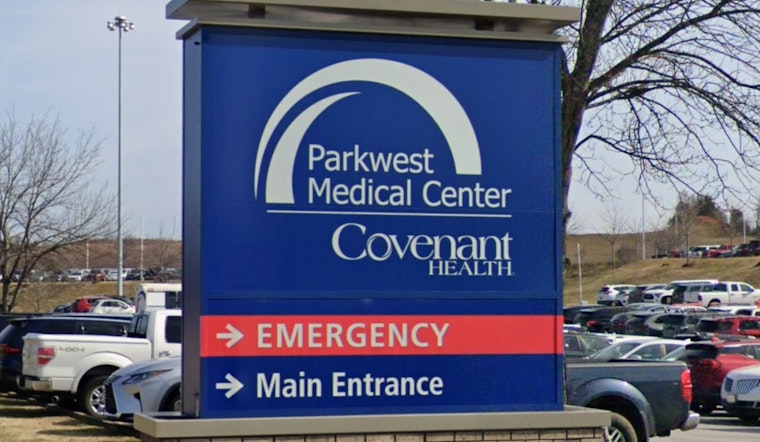
Covenant Health is warning that thousands of Knoxville-area patients with UnitedHealthcare plans could lose in-network access to Covenant Medical Group providers as of July 1, 2026, if ongoing contract talks collapse. The health system says negotiations with UnitedHealthcare began earlier in 2025 and are still unresolved, and that both UnitedHealthcare Medicare Advantage members and people with employer-sponsored commercial plans may be forced to change doctors or pay more out of pocket if the deal falls apart.
According to Covenant Health's website, “As of July 1, 2026, Covenant Medical Group will no longer participate with UnitedHealthcare Medicare Advantage and commercial (employee-sponsored) health plans.” The notice says Covenant is trying to avoid any disruption in care and urges members to call the number on their UnitedHealthcare ID card for help understanding their options. WVLT reported that UnitedHealthcare had not issued a public statement as of the station’s report.
What this means for patients
If Covenant Medical Group becomes out of network, many patients would likely see higher deductibles and coinsurance for non-emergency visits, and some may have to switch to new in-network primary care doctors and specialists. UnitedHealthcare notes in its member materials that people in an active course of treatment may be able to request continuity of care by calling the number on their insurance card. Federal guidance from CMS also says emergency services are generally protected from balance billing, even when the provider is out of network.
What this means locally
Covenant Health operates multiple hospitals and clinics throughout East Tennessee, including Parkwest Medical Center, Fort Sanders Regional Medical Center and Claiborne Medical Center, facilities that many local UnitedHealthcare members rely on for everyday care and specialist visits. WVLT notes that Covenant says it accepts more insurance plans than any other East Tennessee hospital system, and the health system is urging concerned patients to call either their insurance company or Covenant’s customer care line for guidance.
How this fits into a national pattern
This kind of payer-provider stare-down is becoming a familiar storyline across the country, with health systems publicly warning patients about possible network cuts while contract talks drag on. WCPO and other outlets have documented similar disputes, including a high-profile, down-to-the-wire agreement between UnitedHealthcare and Memorial Sloan Kettering that, according to CNN, briefly left thousands of cancer patients unsure whether their care would remain in network before a deal was finally struck.
Negotiations and next steps
In its notice, Covenant says it “is working on our patients’ behalf to negotiate in good faith and to avoid interruptions in your medical care.” The two sides could still reach a new agreement before the July 1, 2026 cutoff. In the meantime, patients are being urged to read their plan documents closely, call UnitedHealthcare member services, and ask about continuity-of-care options or alternative in-network providers while the negotiations play out.





