

























































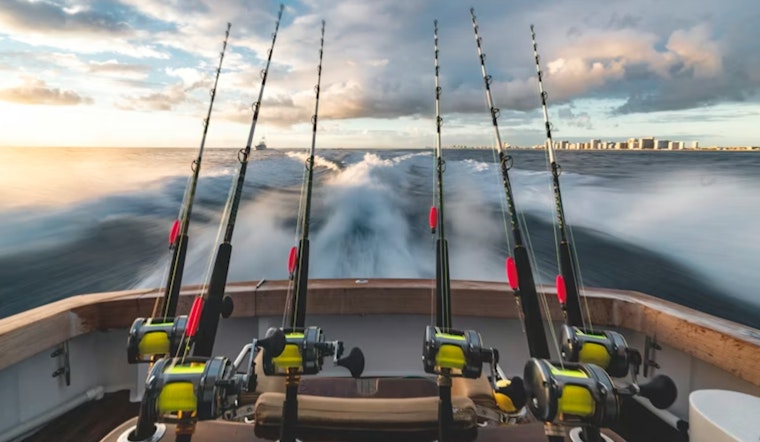
New federal numbers confirm what many Minnesotans have long suspected: heading outside is big business. The state's outdoor recreation economy added roughly $13.9 billion in value in 2024 and supports nearly 100,000 jobs. Boating and fishing bring in the most money, while hiking, walking, and running lead the pack on participation. For guides, gear shops and small "up north" towns, the outdoors is less a pastime and more a paycheck.
According to the Bureau of Economic Analysis, the outdoor recreation sector generated $13.9 billion in value added in 2024, about 2.7 percent of Minnesota's gross domestic product, and supported roughly 99,145 jobs. The federal report is an annual snapshot of spending and industries tied to outdoor activities across the state.
The American Sportfishing Association estimates that more than 1.4 million Minnesota anglers, counting both residents and visitors, spent about $4.9 billion in a single year on trips, gear, guides and lodging. That angler cash, ASA notes, flows into lodging, restaurants and small retailers across lake country, keeping a lot of local tills ringing well past opener weekend.
Local operators say they see the ripple effects day to day. As reported by CBS Minnesota, Lake Minnetonka guide Jason Ortberg opened Tonka West Outfitter in Shorewood and said, "This is obviously my passion." Tourism officials told the station that weekend angler counts can top a half million, and CBS also reports that hiking, walking and running are the top participation activities statewide.
Activity Rankings And Where The Money Comes From
State tables in the Bureau of Economic Analysis release show boating and fishing as Minnesota's largest conventional outdoor activity, with $1.12 billion in value added in 2024. Hunting, shooting and trapping follow at $619 million, then RVing at $527 million, motorcycling and ATV riding at $369 million, and snow activities at $213 million. Those conventional activities, combined with supporting industries such as travel, accommodations and retail, make up the sector's broader economic footprint.
What This Means For Towns, Retailers And Policy
State agencies and industry groups say the figures highlight why investment in trails, access and workforce development is not optional if Minnesota wants to keep the momentum going. According to Explore Minnesota, outdoor recreation also generates billions in worker compensation and helps sustain seasonal economies in northern lake and resort communities. Advocates add that keeping that pipeline healthy will take continued funding for public lands, marketing and infrastructure that steer visitors toward local businesses.
For Minnesotans who rely on the outdoors for both work and play, the federal tally simply puts a dollar sign in front of what they already knew. The state's lakes, trails and campgrounds are part identity, part industry. As budgets and investment plans take shape, those numbers will be the hard evidence behind calls to protect and promote Minnesota's outdoor assets.





