

























































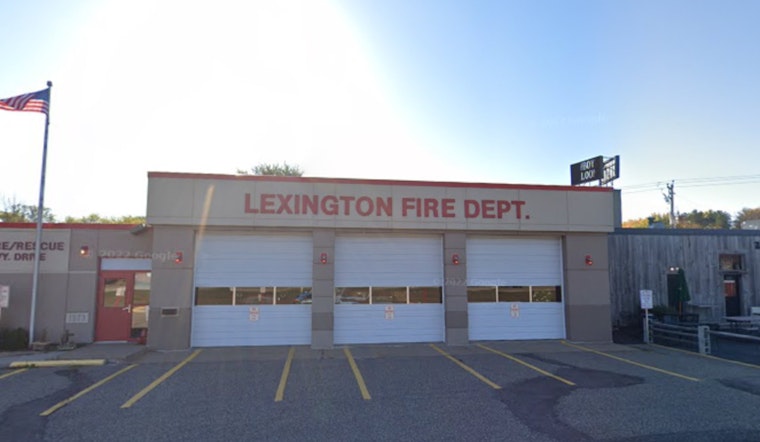
When Lexington quietly took its volunteer fire department offline in late March and shifted emergency calls to a neighboring agency, it did not stay quiet for long. By the May 7 council meeting, the tiny one-square-mile city had a packed, restless chamber, with residents demanding to know why their hometown department was shut down and who, exactly, was going to show up if their house caught fire. City officials and former firefighters offered sharply conflicting stories, turning a budget and staffing dispute into a very public fight over safety and trust at City Hall.
Mayor Mike Murphy told the crowd the shutdown was temporary and, in his words, “primarily about economics,” citing shortfalls in recruitment and retention along with roughly a 40% increase in fire-related costs since 2020, according to KSTP. He framed the decision as a pragmatic move for a very small city, saying that contracting with the Spring Lake Park–Blaine–Mounds View (SBM) Fire Department would deliver more reliable, consistently staffed coverage than Lexington’s volunteer model.
On March 26, the City of Lexington issued a press release announcing an interim partnership with SBM Fire that promised 24/7 staffed response, quicker coverage and access to specialized equipment while officials study long-term options. In that statement, City of Lexington highlighted its firefighting legacy even as leaders promoted a regional approach. SBM leaders, for their part, said they would support Lexington through the transition and maintain continuous service.
Some of Lexington’s former firefighters say the city is spinning the story. They told council members that the department still had 11 active members and was actively hiring on March 26, the same day the city fired Chief Mike Mohler and took the department offline, according to KSTP. Public records obtained by the station include a termination notice accusing Mohler of shortcomings in “vision, leadership and integrity,” along with a disciplinary memo alleging he accepted vendor-funded travel, including a private-jet flight to visit a fire truck manufacturer in Georgia. His separation agreement reportedly included a $9,755.38 severance payment and confidentiality and non-disparagement clauses. The council expects to receive a permanent-coverage proposal from SBM on May 21 and plans to take public comment and vote on June 4, according to reporting.
Part of a wider consolidation trend
Lexington’s move is not happening in isolation. Across Minnesota, small departments are increasingly folding into regional systems as volunteer ranks dwindle and budgets tighten. Recent reporting and industry coverage have highlighted several such consolidations, including Centennial’s integration into SBM, which local leaders say helped shore up staffing and preserve round-the-clock coverage. Firehouse notes that officials commonly point to long-term efficiencies, shared training and faster responses by fully staffed crews as key reasons to merge services.
Legal and ethics questions
The paperwork tied to Mohler’s ouster is also stirring legal and ethics questions in town. Some local officials have told reporters that parts of the case involve personnel matters they are legally barred from discussing in public. FireRescue1 reports that the city flagged the acceptance of vendor-funded travel as a potential ethics or code-of-conduct violation, although no criminal charges have been announced. The disciplinary memo, termination notice and severance agreement are likely to become focal points if residents or watchdog groups push for more transparency.
What’s next
The Lexington council is slated to review SBM’s formal proposal and take public comment at its June 4 meeting. Residents can track agendas, livestreams and meeting details on the city’s official website. The City of Lexington lists City Administrator Bill Petracek and SBM Chief Dan Retka as contacts for questions about the interim coverage arrangement.
In the meantime, Lexington residents will be watching closely as their leaders decide whether to lock in SBM’s coverage for good, a choice that will shape how this small community organizes and pays for fire protection for years to come. The clash unfolding in this one-square-mile city captures a broader dilemma facing small towns across Minnesota: how to keep people safe when volunteers are harder to find and the price of public safety keeps climbing.





