

























































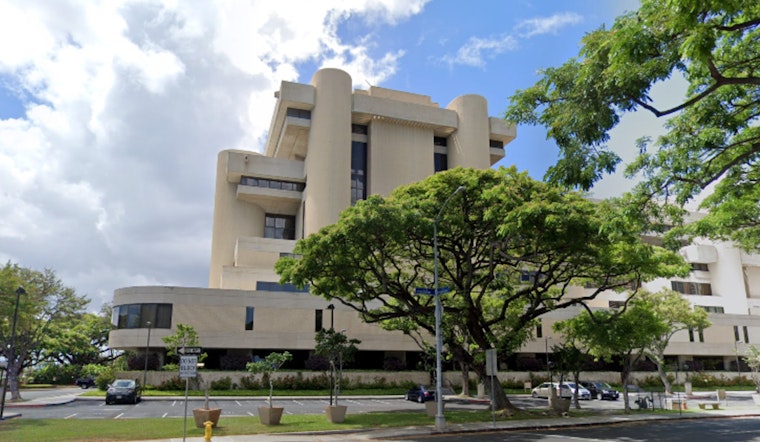
Detained immigrants in Honolulu are being told to sit tight for roughly 19 months before they even get a first hearing, a wait local lawyers say is shredding due process and exhausting families, attorneys and advocates. The delay has climbed to a 15-year high as a shrinking bench tries to handle a swelling caseload with more people in custody and fewer judges on the line.
New federal figures show Honolulu had about 1,413 pending immigration cases and an average wait to appear of roughly 19 months as of March, according to data compiled by TRAC Reports. Local coverage notes it is the largest backlog the islands have seen in at least 15 years.
Court Scheduling And Pretermissions Squeeze Hearings
To clear dockets, the government has been carving full-day asylum trials into two-hour slots and filing mass motions to dismiss, a tactic known as pretermission that can end cases before a full hearing. Honolulu Civil Beat reports that DHS filed tens of thousands of pretermission motions in March (about 48,000), and local attorneys say the short windows make it tough to present witnesses or detailed country-conditions evidence.
“Jamming it into a two-hour slot just feels like you’re rushing through due process rather than really giving people their day in court,” attorney Kevin Block told Honolulu Civil Beat.
Staffing Crunch Fuels The Backlog
The squeeze is magnified by a steep drop in immigration judges. A Congressional Research Service analysis and public reporting show the nationwide corps fell from roughly 735 judges to about 557 by early 2026, sharply limiting the system’s capacity to catch up.
The Executive Office for Immigration Review's local court listing shows Honolulu currently has two immigration judges handling the state’s entire caseload. That leaves almost no buffer when dockets spike, judges are reassigned, or new enforcement priorities send more cases into the pipeline.
What It Looks Like On The Ground
At the same time, enforcement activity is on the upswing. Tracking projects and local reporting show ICE arrests in Hawaiʻi jumped in 2025 and the average daily ICE population at the Federal Detention Center in Honolulu climbed into the dozens, with hundreds booked into the facility during the year, according to the Deportation Data Project. Advocates say those detention trends make it even harder for people to find lawyers, collect documents, or prepare a full defense from behind bars.
Legal Ripple Effects
Immigration-law clinics and human-rights groups warn that the widespread use of pretermissions and compressed hearings raises serious due process concerns. If respondents do not get enough time to secure counsel or assemble evidence, they argue, the right to a fair hearing becomes largely theoretical.
A practice advisory from Human Rights First and national coverage have highlighted how aggressive pretermission tactics can lead to deportations without a full evidentiary review of someone’s asylum claim or other defenses.
What’s Next
Lawmakers, legal aid groups and island attorneys are pushing for more transparency and more resources as cases are hurried along while detained people wait longer. State and local officials have requested briefings and hard numbers, and advocates are scrambling to ramp up representation as court calendars get reshuffled in the name of clearing dockets faster.
For now, fewer judges, heavier enforcement and new case-management tactics are translating into longer waits and shorter hearings for people fighting to stay in the United States. Honolulu’s legal community warns that unless federal policy or staffing shifts, the current mix could quietly undercut fair process for hundreds of immigrants whose lives are on hold.


