

























































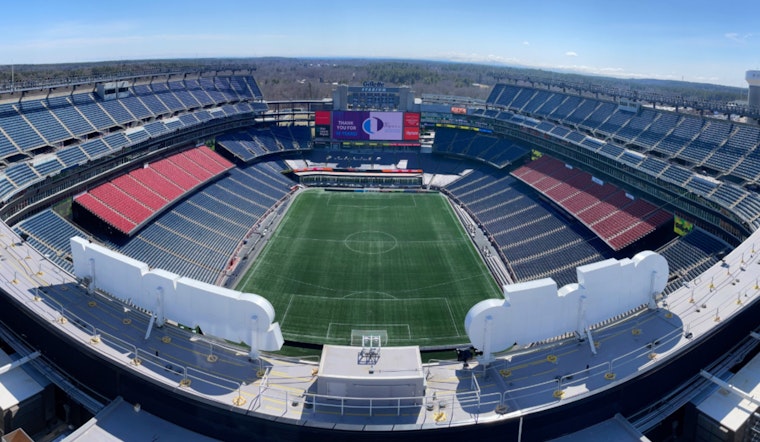
Massachusetts is moving the World Cup off the whiteboard and into real life. On June 1, state public-health officials will flip on their emergency operations plan as Gillette Stadium in Foxborough gears up to host FIFA World Cup matches that are expected to draw tens of thousands of visitors over several weeks.
The activation means the state is shifting into full operational readiness, with a statewide ramp-up of medical surveillance, surge planning and interagency coordination. The goal is to make sure hospitals, transit systems and public-safety partners are ready to spot and respond quickly to any illness clusters or other large-event incidents that might crop up once the crowds roll in.
"The department is planning to activate our emergency operations plan on June 1st," Kerin Milesky, director of the DPH Office of Preparedness and Emergency Management, told NBC Boston. The World Cup in Massachusetts kicks off June 13, with multiple matches scheduled at Gillette through July. Officials say the move will lock in an incident-command structure across agencies so they can share real-time data and resources throughout the tournament.
Statewide coordination and funding
The Healey-Driscoll administration has shifted planning into a formal operations posture, coordinating more than 70 agencies and channeling nearly $76 million in federal grants into security, transportation and medical readiness, according to Mass.gov. Fourteen specialized planning groups have drafted mission-specific annexes to the emergency operations plan, and exercises and trainings have already tested evacuation procedures, crowd management and cybersecurity responses.
State police, MEMA and the host committee will operate a joint operations center during matches to coordinate those efforts in real time. In other words, a lot of the behind-the-scenes playbook is being written and rehearsed well before the first whistle blows.
What activation looks like on the ground
Once activated, DPH will step up disease surveillance, support hospital surge plans and coordinate environmental-health monitoring, including heat concerns and food-safety risks. The department is also pushing vaccinations, including COVID-19 shots for anyone older than six months, and reminding clinicians to keep an eye out for unusual respiratory or gastrointestinal clusters, as outlined by NBC Boston. Officials stress this is a preparedness posture, not a formal emergency declaration, designed to speed up decision-making if something does go wrong.
Tips for fans: tickets, transit and heat
Fans heading to Foxborough are being urged to treat match days like a big travel day, not a casual Sunday drive. Drones are banned near Gillette Stadium, access on match days is limited to ticket holders, and security screenings will take extra time, according to guidance on the state's World Cup hub. The administration has also launched its Match-Ready Massachusetts page with travel, health and fan-fest resources to help residents and visitors navigate the tournament, as detailed by Mass.gov.
Health officials are nudging anyone who feels sick to seek care early and use telehealth options when possible to keep emergency departments from getting overwhelmed by non-urgent cases in the middle of World Cup traffic.
Local coverage first highlighted when the DPH activation would kick in. The Eagle-Tribune reported the June 1 start on May 15. As the countdown tightens, state and local agencies say they will keep running monthly exercises and releasing resources for municipalities and healthcare providers so communities have a clear sense of what to expect once World Cup season hits Foxborough.





