

























































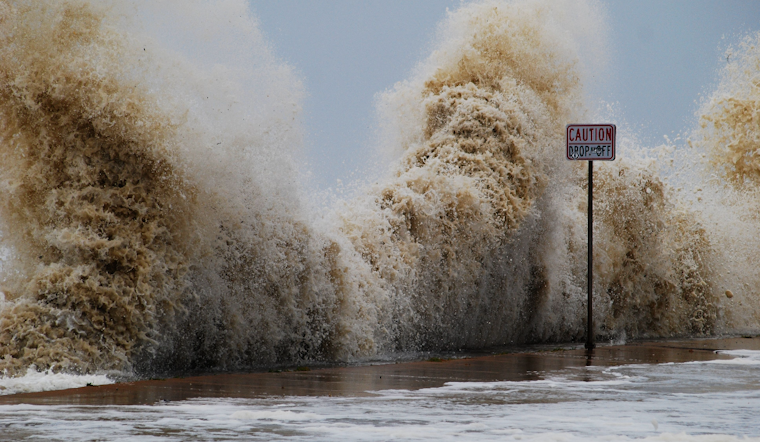
The Atlantic hurricane season is less than a week away, and Central Florida is getting another reminder of just how dangerous storm surge can be. Hurricane Matthew’s 2016 sideswipe, when the storm stayed offshore but shoved ocean water onto beaches and low-lying areas, showed how surge can be the deadliest part of a hurricane even when the eye misses the coast. Local officials and builders say improved forecasts and new shoreline projects are reshaping how the region prepares for coastal flooding.
As reported by the Orlando Sentinel, Cody Fritz, a storm-surge specialist at the National Hurricane Center, told Spectrum News that new surge products have helped drive a decline in overall deaths tied to storm surge. Fritz also warned that the Saffir-Simpson category speaks to wind and does not communicate a storm’s surge potential. The Sentinel piece set those comments alongside recent local efforts to harden beaches and protect infrastructure.
The National Weather Service formally made storm-surge watches and warnings operational in 2017, so inundation risk could be called out separately from wind threats, a change meant to improve evacuation decisions and public response, according to the agency. Those products, along with newer probabilistic inundation maps, give emergency managers clearer lead time to act. Local governments now lean on those forecasts when timing beach closures and permitting restoration work (National Weather Service).
Reef Arches and dunes: working with the water
Along the Space Coast, municipalities are pairing dune restoration with nature-based breakwaters to reduce wave energy. Reef Arches, a South Florida company, manufactures honeycomb concrete modules roughly 6 feet by 4 feet and about 1,200 pounds that are designed to attenuate waves, trap sediment, and recruit marine life, per the company (Reef Arches). Local deployments include a 150-foot living shoreline at the Ted Moorehead Lagoon House in Palm Bay and a batch of units installed at Cape Canaveral’s water-reclamation facility, local reporting says (Florida Specifier), and dune plantings and berm renourishment have recently wrapped up in Volusia County, per dune work in Volusia County.
Surge danger is easy to miss
Storm surge can arrive long before the eye and from storms that never make landfall, which makes inundation maps and watches crucial. The National Hurricane Center’s storm-surge unit and local emergency managers advise treating surge guidance and evacuation zones as the primary guide during warnings (National Hurricane Center).
As the season opens on June 1, residents and property owners are being urged to check county emergency pages and the NHC for surge maps and watch or warning updates. Even with better forecasting and a wave of living-shoreline projects, officials warn that it only takes one run of high water to damage homes, roads, and dunes, especially on a coast that remembers Matthew’s sideswipe.





.jpg)