

























































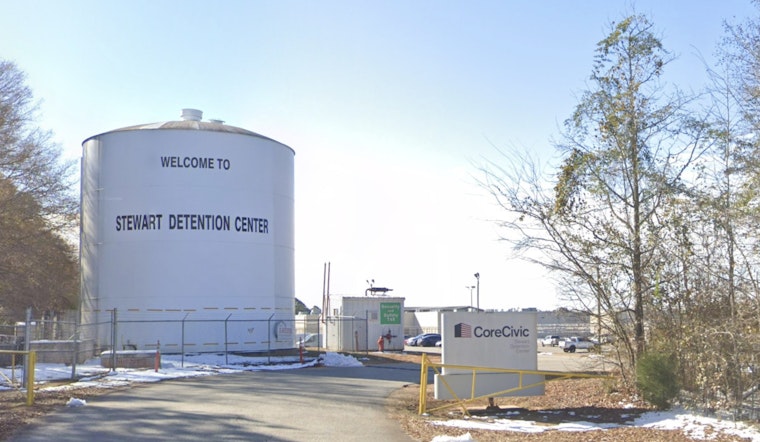
What started as a routine speeding stop in Decatur ended with 27-year-old Juan Reyes in federal immigration custody hours later. Pulled over for speeding, Reyes was booked into the DeKalb County jail for driving without a license. Jail staff notified federal immigration authorities, and he was transferred to the Stewart Detention Center in south Georgia. His case shows how quickly a basic traffic stop can turn into an immigration problem for people without legal status.
County numbers show traffic stops leading to transfers
As reported by The Atlanta Journal-Constitution, unlicensed driving was the most common underlying offense listed in quarterly sheriff reports from Gwinnett, Hall and Whitfield counties for the first three months of 2026. Gwinnett reported 529 arrests for driving without a license, Hall logged 86 such arrests among 380 immigrant bookings, and Whitfield recorded 41 of 110 immigrant arrests tied to that charge. Those county reports, which are required under the state’s 2024 law, show many foreign-born people booked into local jails lack legal immigration status.
New state law changed how jails handle ICE requests
Georgia’s 2024 legislation stripped local officials of discretion over immigration holds. According to the text of Justia, custodial authorities are required to “comply with, honor, and fulfill” immigration detainer requests from federal authorities. Advocates and defense attorneys say that firm statutory language means low-level traffic stops can now trigger federal detention and potential removal steps that might not have been pursued in earlier years.
Where people end up: Stewart Detention Center
People held on detainers are often sent to ICE facilities in rural south Georgia, far from metro Atlanta. The Stewart Detention Center in Lumpkin is a common destination and holds large numbers of immigration detainees, making both family visits and access to lawyers difficult. ICE lists Stewart as an operational detention site, and local advocates have long warned that its remoteness and conditions complicate legal defense and regular visitation.
The human toll
Reyes’ wife, Courtney Thompkins, told The Atlanta Journal-Constitution she felt “like I’ve been hit by a train,” and relatives have launched a fundraiser to cover legal costs. Lawyers and immigrant-rights groups say cases like Reyes’ show how routine, nonviolent traffic enforcement can split families and leave neighbors afraid of everyday tasks like driving to work or taking kids to school. In some counties, local organizers have responded with hotlines and ride programs to help residents avoid driving without a license.
Some states took a different route
Across the country, 19 states and the District of Columbia have passed laws allowing people to obtain a driver’s license regardless of immigration status. Supporters say those policies improve road safety and keep traffic stops from automatically opening the door to deportation. The National Conference of State Legislatures has a running brief that lists those states and explains how each program is structured.
Legal implications
Civil-liberties groups note that ICE detainers are administrative requests, not court orders, and courts have found that holding someone solely on a detainer can expose local agencies to liability. The New York Civil Liberties Union and other legal advocates point to rulings and official guidance treating detainers as non-binding requests, a legal reality that sits uneasily next to Georgia’s directive to honor them. National researchers and criminal-justice analysts have also documented a recent rise in detainer requests and ICE transfers from local jails, a trend legal experts say is likely to fuel more lawsuits and policy fights in the months ahead.





