

























































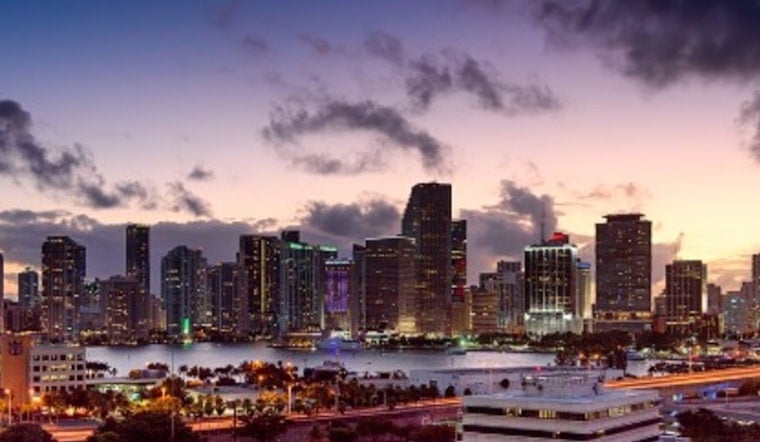
Miami's startup scene just grabbed a global spotlight. A new international ranking released this week shows the Miami metro area jumping six places to land inside the top 25 startup ecosystems on the planet, a move that caps several years of rising venture activity, high-profile relocations and splashy events that have reshaped South Florida's investor landscape.
As reported by South Florida Business Journal, the Miami metro climbed to No. 22 in the latest Global Startup Ecosystem Index, a jump of six spots in a single year. The outlet points to a steep year-over-year bump that local observers say reflects a broader shift in where founders and investors want to plant their flag.
According to StartupBlink's Global Startup Ecosystem Index 2026, the Miami area posted roughly 41.8% annual growth in its ecosystem score, the strongest growth among many major hubs. The score bakes in the number of startups, funding volume, unicorns and exit activity. That jump is what pushed the metro back into the global top 25 after several years of steady, incremental gains.
What’s Driving The Climb
Local reporters and analysts point to stronger deal flow, headline-grabbing company moves by firms such as Palantir, Meta and Citadel, and an influx of international capital, particularly from Latin America, as the big engines behind the surge, as reported by WLRN. A longer-term playbook built on public-private partnerships, business-friendly tax structures and an increasingly busy tech events calendar has helped keep attention on the region instead of letting it fade after a few marquee relocations.
Money Followed
The funding numbers match the hype. Miami-Fort Lauderdale startups pulled in about $900 million in the first quarter of 2025, and South Florida companies raised roughly $2.77 billion in 2024, according to Refresh Miami, which compiles PitchBook and eMerge Americas data. That level of deal flow helped the metro rank among the top U.S. hubs by funding in early 2025, a key metric behind the ecosystem scores.
Local Reaction And Reality Check
Founders and civic leaders say the newfound global attention is useful because it helps with recruiting talent and opening investor conversations, but several observers caution that Miami still needs more later-stage capital, deeper technical talent pipelines and infrastructure like office space and data-center capacity if it wants to turn momentum into durable scale. Public-private initiatives and ecosystem groups are already pitching programs aimed at those gaps, and investors are watching closely to see whether follow-on rounds and exits keep up with early-stage growth.
The ranking marks a milestone in Miami's startup narrative, yet the real test will be converting headline growth into more homegrown scale-ups, exits and local jobs that keep capital circulating inside the region. For now, though, the metro can point to measurable progress on the world stage as it competes for founders, funds and global partnerships.





.jpg)