

























































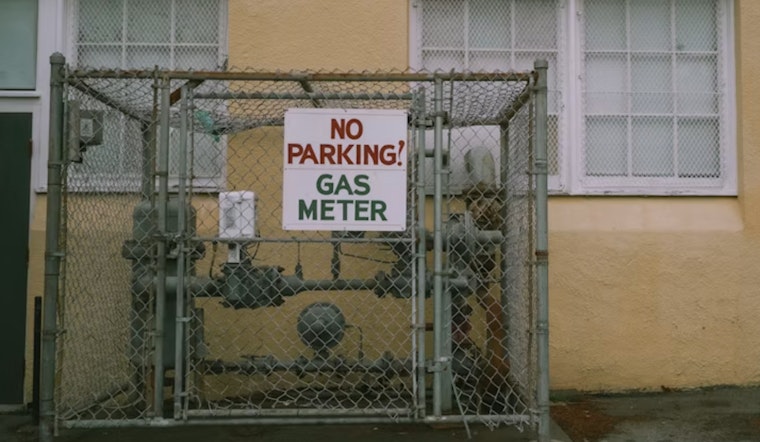
Minnesota natural gas customers are about to find out whether they will keep bankrolling gas lines for new homes they will never live in. On Thursday, June 4, the Minnesota Public Utilities Commission (MPUC) is set to decide if existing customers should still pay for new gas hookups under a decades-old policy that consumer advocates say quietly fattens monthly bills.
What the commission will review
At the center of the debate are line-extension allowances, the rules that let utilities roll the cost of new service lines into their rate base so construction costs are recovered from all customers, not just the ones moving into new buildings. MPUC staff briefing papers say the policy dates back to at least the early 1990s and that the commission has not done a full review since 1995. Extending service can add about $1,800 to more than $2,200 per new home, costs that are then spread across monthly bills, according to KSTP. Staff also note that utilities may have a financial incentive to preserve the practice because these allowances can expand a utility’s capital base and increase revenue.
Who is pushing for change
Clean Heat Minnesota, a coalition of consumer, climate, and community groups, has filed comments urging the PUC to end line-extension allowances and to put affordability ahead of gas system expansion. In a May 13 post, the coalition said nearly 60,000 Minnesota households lost gas service for unpaid bills in 2024 and 2025 and that more than $156 million in gas and electric charges remain overdue, according to Clean Heat Minnesota.
Consumers and disconnects
Advocates say mounting arrears and shutoffs show how the existing subsidy lands hardest on people already struggling to keep the heat on. The Citizens Utility Board tracked more than 91,000 regulated gas or electric disconnections in 2024 and reported that residential arrears topped roughly $120 million that year, according to CUB Minnesota.
How much could customers save
The Rocky Mountain Institute estimates that phasing out line-extension allowances in Minnesota could cut utilities’ capital spending tied to new hookups by about $34 million a year, money that would otherwise be folded into customer bills or utility returns. The group also notes that several states, including California, Colorado, and New York, have already moved to limit or eliminate these allowances and that those changes have at times nudged builders toward electric alternatives, according to RMI.
What comes next at the PUC
The commission is weighing staff analysis, public comments, and legal constraints as it decides whether to revise or end the allowances, a decision that would change how utilities recover the cost of expanding service. The issue sits inside the PUC’s broader “Future of Gas” review, alongside related planning and rate work, according to materials on the Minnesota Public Utilities Commission website.
Voices from the ground
Community groups such as COPAL Minnesota argue that line-extension allowances are unfair to families already behind on their bills. “Many households simply cannot absorb additional charges tied to new development they will never use,” Monse Perez Barrios of COPAL told KSTP.
The commission’s decision on June 4 will determine whether those line-extension costs stay buried in existing customers’ monthly bills or whether new customers and developers are asked to shoulder more of their own hookup costs. Either way, the outcome is expected to ripple through building decisions, future utility filings, and the ongoing fight over energy affordability in Minnesota.


