

























































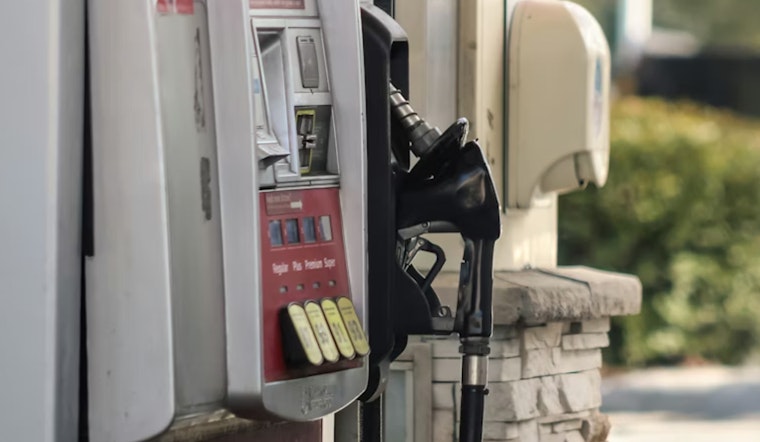
Minnesota’s entire U.S. House delegation lined up on the same side Wednesday, with all eight members voting to pass a bill that would let E15 gasoline, a blend with 15 percent ethanol, be sold year-round across the country. The House approved H.R. 1346, the Nationwide Consumer and Fuel Retailer Choice Act, on a 218-203 vote, sending the measure over to the Senate.
The bipartisan tally, which split members of both parties, landed as a clear victory for corn growers, even as opponents warned of higher costs for refiners and other farmers, according to Reuters. The bill, sponsored by Rep. Adrian Smith (R-Neb.), would lift seasonal restrictions on E15 sales nationwide.
Why Minnesota Cared
Minnesota has plenty of skin in the ethanol game. The state’s ethanol industry supported roughly 16,573 jobs and added nearly $2 billion to the state’s GDP in 2025, according to University of Minnesota Extension. So when a fuel bill comes up that could expand ethanol demand, it is not shocking that the delegation suddenly finds something to agree on.
All eight of Minnesota’s House members voted yes, a rare moment of unity in the 119th Congress. Rep. Michelle Fischbach went so far as to call the vote “history,” in a post cited by the Star Tribune.
What Backers Say
Supporters argue that making E15 available year-round would give corn growers a steadier market and drivers a modest price break. Industry modeling cited by the Renewable Fuels Association and the National Corn Growers Association suggests that full E15 adoption could increase corn consumption by about 2.4 billion bushels and lower retail gasoline prices by roughly 10 to 30 cents per gallon, according to statements from the NCGA.
Backers frame it as a win-win: farmers get more demand, and drivers get a slightly cheaper option at the pump without changing their cars or routines.
Opposition And The Budget Question
Not everyone is cheering. Soybean growers, refiners and some environmental groups have pushed back, arguing that the bill’s language on small-refinery exemptions would shift compliance costs and could undercut biodiesel markets. Early opposition from the American Soybean Association was reported by Agri-Pulse.
The Congressional Budget Office estimated that H.R. 1346 would raise direct federal spending by about $2.7 billion and increase federal deficits by roughly $2.3 billion over the 2026-2036 period, according to the CBO. The legislation would also amend portions of the Clean Air Act and tweak how the Renewable Fuel Standard is implemented, based on the bill text posted at Congress.gov.
What’s Next
The action now moves to the Senate, where supporters face a 60-vote threshold and a more complicated ideological landscape. As the Star Tribune noted, Wyoming Sen. John Barrasso warned that the bill could “force more and more ethanol into our fuel tanks,” a sign that the path forward is anything but guaranteed.
For Minnesota drivers and farmers, the House vote signals that Washington might soon lock in something many here already see on station signs: lower-cost E15 at the pump. Senators will now have to decide whether the local economic boost for corn country outweighs national market and environmental concerns as the legislation moves through the upper chamber.





