

























































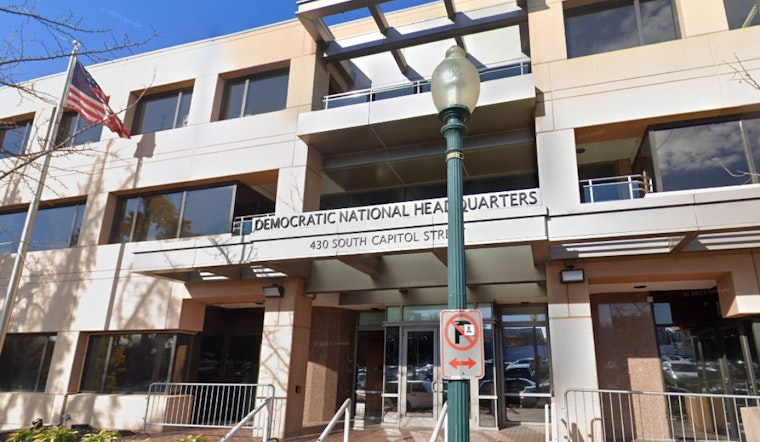
Michigan Democrats rolled into Washington yesterday with a clear ask for national party leaders: move the state into the early window of the 2028 presidential nominating calendar and let candidates prove themselves in the Great Lakes battleground. Party leaders told members of the Democratic National Committee’s Rules and Bylaws Committee that Michigan’s swing-state status, late February primary date, and blend of urban and rural voters make it a sharp early test run for anyone seeking the nomination. Their pitch mixed hard political logic with some home-state swagger about how Michigan would attract attention and campaign investment if it lands an early slot.
Members of Michigan’s delegation handed Rules and Bylaws Committee members branded “Made in Michigan” swag and highlighted the state’s ready-made campaign infrastructure and lower media costs per point, as reported by The Detroit News. The Democratic National Committee previously advanced a dozen state applicants to the presentation stage and has said the Rules and Bylaws Committee will ultimately select between four and five early-window contests and must include at least one state from each of the party’s four regions, according to the Democratic National Committee.
Michigan’s argument leaned heavily on recent policy and procedural changes in Lansing. Party leaders cited 2023 legislation that moved Michigan’s presidential primary to the fourth Tuesday in February, a change the governor signed into law to lock in a late February date in future cycles. They also pointed to a 2022 voter-approved constitutional amendment that protects reproductive rights and expands voting access, including same-day registration, as features that make the state both accessible and politically relevant to Democratic campaigns. Officials further emphasized the size of Michigan’s food and agriculture sector and other economic ties as more reasons national campaigns should spend serious time and money in the state, referencing data from the Michigan Department of Agriculture & Rural Development and the governor’s office.
How the DNC will choose
The Rules and Bylaws Committee is judging early-state bids on three main criteria: rigor, fairness, and efficiency. Members say they are weighing each state’s ability to test candidates with diverse electorates without piling on unreasonable costs for campaigns, according to the Democratic National Committee. A list of 12 applicants has advanced to in-person presentations: Delaware, Georgia, Illinois, Iowa, Michigan, Nevada, New Hampshire, New Mexico, North Carolina, South Carolina, Tennessee, and Virginia. Committee members are expected to continue hearings and internal debates in the coming months before locking in the early lineup.
Why this matters in Michigan
An early slot does more than stroke local pride. It brings a rush of campaign visits, staff hiring, and media spending that can reshape a state’s political infrastructure, which is why state parties across the country are lobbying hard as part of the wider national fight over who votes first. Michigan Democrats argue that moving up would guarantee that candidates have to engage directly with issues at the core of local life, from manufacturing to reproductive rights. The stakes felt particularly real in 2024, when roughly 13% of Democratic primary ballots in Michigan were cast as "uncommitted" in a protest vote, a result local outlets described as a sign of activism and frustration among some groups of voters.
For now, Michigan’s pitch is one of several the Rules and Bylaws Committee is weighing, with party officials expecting to finish deliberations later this year. State leaders say they will keep pushing to hold onto a late February date if they get the nod, which would land on February 22 in 2028 under current state law. The Detroit News details the full pitch and local reactions, while DNC materials lay out the formal process and timeline.





