

























































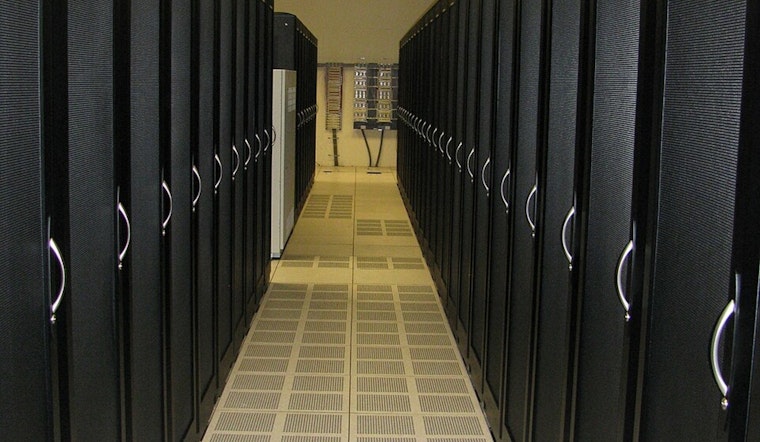
Nashville Metro Councilmember Rollin Horton is moving to keep industrial-scale AI server farms from setting up shop next to city neighborhoods, filing a zoning rewrite that targets the biggest, most power-hungry data campuses before they ever break ground. His pitch: protect residents and infrastructure while still leaving the door open to what he calls responsible tech growth.
What's in Horton's proposal
The ordinance, filed May 26 as BL2026-1391, would write new data-center uses and definitions into Nashville's zoning code. It labels a "data center - campus" as any contiguous development of at least 500,000 square feet and/or more than 100 megawatts of power demand, a category the bill says "shall not be permitted in Davidson County."
According to the Metro Council's Legistar filing, the proposal also creates small, medium, and large data-center categories, requires closed-loop cooling for certain facilities, sets limits on generator testing and operation, adds sound-attenuation requirements, and imposes large setback distances for the biggest sites.
Council support and industry reaction
Horton told FOX 17 that 14 councilmembers have already signed on as co-sponsors, saying the aim is to get rules on the books before large projects show up. “When I was looking at what codes and protections and regulations we have, I found that we had none,” Horton told the station.
Kirk Offel, CEO of Overwatch Mission Critical, offered his own take to the station: “Get your policymakers to figure out how to write rules and regulate.”
State law and the wider Tennessee debate
The local push comes on the heels of state action. This spring, the Tennessee General Assembly approved HB1847, a measure that generally bars municipalities and utilities from absorbing the cost of electrical infrastructure needed to serve data centers and places responsibility for upgrades on owners, according to the bill page. That new law, combined with the Tennessee Valley Authority's recent comments about pursuing "electric rate fairness" as data-center demand climbs, helps explain why local officials are racing to set zoning guardrails.
Next steps
Legistar records show the ordinance was filed May 26 and referred to the Planning Commission for public review. The filing appears on the commission’s June 2 agenda, according to the Metro Council record. If the Planning Commission issues a recommendation, the proposal would return to Metro Council for hearings and votes, with public testimony expected at each step.
What it would mean for neighborhoods
If passed, the zoning changes would effectively shut the door on campus-scale hyperscale projects inside Davidson County while shunting most large server operations into industrial zones and tightening operational controls. Those rules include closed-loop cooling to limit water draw, capped generator hours, noise limits, and screened substations.
The requirements are structured to shield nearby residents, but they could also make Nashville a tougher sell for hyperscale operators and shift big builds to neighboring counties or to sites better able to meet utility demands, an issue TVA and local officials have been publicly wrestling with.
Horton maintains the move is about balancing growth with community health: Nashville should be "open for business," he told the station, but that business should meet strict environmental standards. The Planning Commission hearing on June 2 will be the first public test of whether Nashville is willing to host campus-scale AI infrastructure inside city limits.





