

























































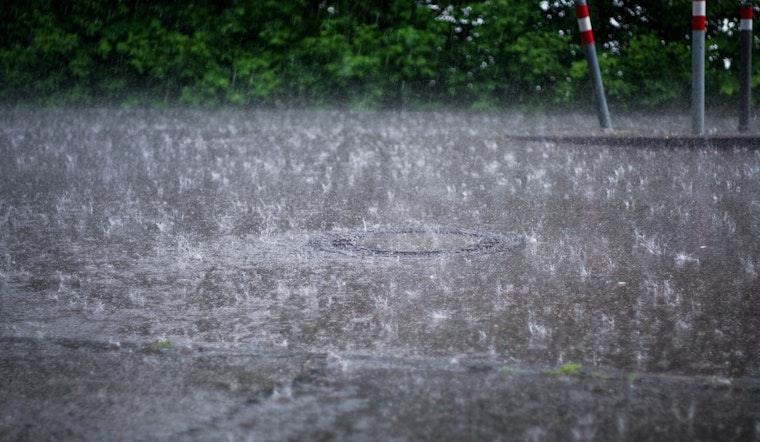
Hourly rain in U.S. cities is coming down harder than it used to, and Nashville is no exception. A new national analysis finds that short, intense bursts of rain are increasingly common, boosting the odds of fast-developing flash floods in urban areas. In Nashville, typical hourly rainfall intensity is now about 12% higher than it was in 1970, just under the national average increase of roughly 15%.
What the analysis found
Researchers with Climate Central examined changes in a straightforward hourly rainfall-intensity index for 144 U.S. weather stations and found that 129 cities, or about 90%, saw increases between 1970 and 2025. Across those cities, the average hourly rainfall rate is now roughly 15% higher than in 1970, based on NOAA hourly precipitation datasets. The sharpest average jumps showed up in the Upper Midwest, but the trend appears in every region of the country.
Nashville's numbers and local risks
Local reporting notes that the analysis puts Nashville’s hourly rainfall intensity about 12% above 1970 levels, a change that can quickly turn short storms into flooded streets and rapidly rising creeks, as reported by WSMV. Metro agencies have repeatedly urged residents to maintain and clear drainage corridors to reduce rapid-flooding impacts, according to the Metro Office of Emergency Management (Metro OEM). More rain packed into each hour, combined with clogged or undersized drainage, turns even brief downpours into a local hazard.
Why hourly intensity matters
When a lot of water falls in a short time, storm drains and creeks can be overwhelmed before the ground can absorb much of it, triggering flash floods that chew up roads, strain utilities, and damage homes and businesses. Government and scientific reviews have found that the heaviest precipitation events have intensified across much of the United States in recent decades, increasing pressure on infrastructure and long-term planning, according to the U.S. National Climate Assessment (NCA).
Safety steps and where to check risk
Officials continue to hammer home the basics: never drive into flooded roads. “Turn Around, Don’t Drown” is the National Weather Service safety slogan warning that even shallow, fast-moving water can sweep a vehicle away (NWS). For a closer look at neighborhood-level risk, FEMA’s Flood Map Service Center provides official maps and tools so residents can check whether their home or workplace sits in a higher-risk flood zone (FEMA MSC).
Scientists expect heavier downpours to keep increasing as the planet warms, pushing cities to invest in green infrastructure, upgraded stormwater systems, and stronger preparedness efforts. Metro officials urge residents to sign up for local alerts, safely clear gutters and drains where possible, and consider flood insurance if they live in low-lying or flood-prone parts of the county.





