

























































Brookfield’s new chief executive, Connor Teskey, is wasting no time calling a turn in the market. On the firm’s first‑quarter earnings call, he told investors that the commercial real estate rebound is not just underway, it is speeding up, citing a jump in transaction activity and easier financing. Those comments landed alongside first‑quarter numbers that show heavy fundraising and fresh deployments, a combination that suggests institutional buyers are quietly filing back into property deals.
Numbers Behind The Claim
In the first quarter, Brookfield reported raising $21 billion and posted fee‑related earnings of $772 million, while distributable earnings rose to $702 million. According to Brookfield Asset Management, fundraising was led by the credit and infrastructure platforms, and the firm deployed or committed about $34 billion during the period.
The breakdown shows how that capital is being put to work: credit inflows totaled roughly $13 billion, infrastructure fundraising reached about $3.4 billion, and the real estate arm closed approximately $1.3 billion. None of that looks like a market hiding under the bed.
Office Markets Showing Strain
Teskey highlighted a shortage of new, top‑tier office space paired with improving financing conditions as the one‑two punch pushing more deals across the finish line. He said Brookfield expects to complete about $20 billion of real‑estate transactions in a span of roughly two months.
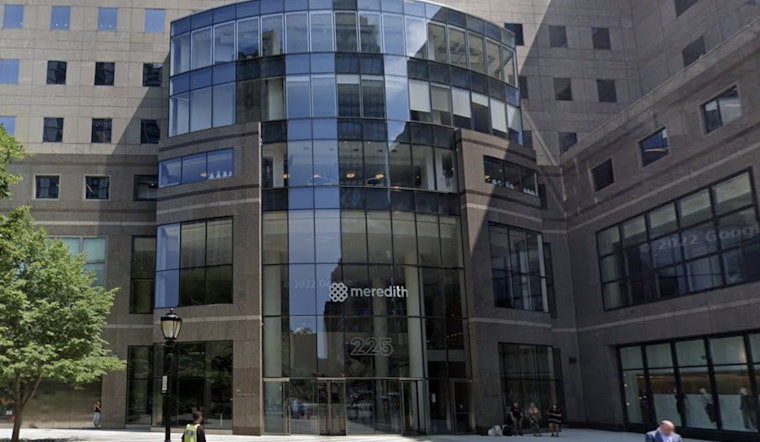
In Tier‑1 markets, the squeeze at the top end is already visible. According to CoStar, top‑end rents in those markets are now 50%, 70% and even 80% higher than they were five years ago, and trophy rents in New York have topped $320 per square foot in recent deals. That kind of pricing power is pulling capital back into offices even as activity in other sectors, like hospitality and logistics, remains robust.
AI And The Bloom Energy Tie‑Up
Teskey also pointed to artificial intelligence as a structural tailwind for Brookfield, arguing that rising demand for data centers, power and industrial capacity lines up neatly with the firm’s existing businesses. A key piece of that strategy is Brookfield’s October 2025 framework with Bloom Energy, a roughly $5 billion program to deploy Bloom’s fuel‑cell power at AI data centers, as detailed by Bloom Energy.
Brookfield has said it is in discussions to expand that partnership, as AI customers look for on‑site, high‑reliability power to feed increasingly heavy compute loads. In other words, the power infrastructure is being planned alongside the chips.
What This Means For Deals
As outlined in Brookfield Asset Management’s filings, the firm spent about $3 billion last quarter to acquire a U.S. senior‑housing portfolio and also bought core assets in Tokyo and Paris. Executives say more deployment is on the way.
Put together, stronger financing, muted new supply and a hefty pile of raised capital are giving managers more confidence to back alternative property types that promise durable, cash‑generative returns. For landlords and tenants in Manhattan and other trophy markets, that backdrop points to tighter competition for premium space and mounting pressure on top‑tier rents.





