

























































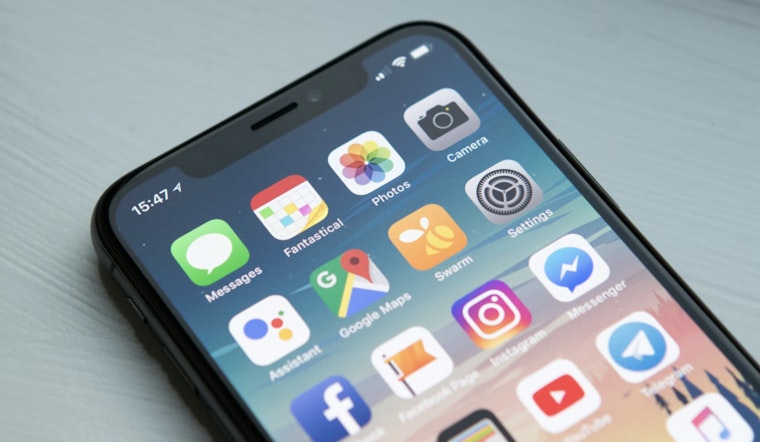
Oklahoma’s one-year experiment with taking phones out of kids’ hands is now the new normal. Gov. Kevin Stitt has signed a bill that makes the state’s “bell-to-bell” cellphone ban permanent, turning last year’s trial run into an ongoing rule for public and charter schools. The law sets a uniform limit on students’ personal phones, tablets, and smartwatches during the instructional day. Supporters say it cuts down on distractions and brings back old-school face-to-face social time, while critics continue to question how it will be enforced and what happens in emergencies.
The Legislature approved House Bill 1276 after the Senate advanced an amended version in mid April and the House voted 83–7 on April 28. Gov. Stitt signed the enrolled measure on April 30, 2026, according to the Oklahoma Legislature. The bill cleared the Senate with bipartisan support before it was enrolled and sent to the governor’s desk.
What the law requires
Under the enrolled text, every school district board must adopt a policy prohibiting students from using cellphones and most personal electronic devices on campus “bell to bell” for the 2025–2026 school year and each school year after that. School-issued or school-approved instructional devices are excluded, and there are explicit carveouts for emergencies and for students who need devices to monitor health conditions.
Section 2 of the act lists July 1, 2026, as the effective date, but Section 3 includes an emergency clause that puts the law into effect as soon as it was passed and approved. The full bill text is available from LegiScan.
Supporters say it restored classrooms
Backers at the Capitol cast the move as a win for basic classroom sanity. “Making this ban permanent I think will tremendously improve the academic focus in our classrooms for years to come,” Rep. Chad Caldwell said, while House Speaker Kyle Hilbert argued the policy had helped “allow kids to be kids,” as reported by KGOU. Lawmakers said they heard largely positive reviews from parents and teachers after the trial year.
Districts and implementation
Many districts were already operating under similar restrictions and, in some cases, had “bell to bell” warnings posted on school walls long before the new law was signed. Educators told reporters they had seen better student focus and more real-life conversation in cafeterias and hallways, according to Oklahoma Voice and other local outlets.
Now those same districts have to lock the rules into formal policy. Administrators will be hammering out disciplinary steps and communication plans for families in the runup to the next school year, spelling out what happens when a phone comes out during class and how parents can reach students if something urgent happens.
Where Oklahoma fits nationally
Oklahoma is not alone in trying to pry screens away during the school day. ABC News counted about 20 states with some form of statewide cellphone ban or tight limitations on student use. Research on how much that helps is still developing. Coverage of a large working paper from the National Bureau of Economic Research found modest test-score bumps in some settings, along with short-term increases in exclusionary discipline in places that cracked down, as noted by Chalkbeat.
Under Oklahoma’s new statute, district boards must now put written policies and disciplinary procedures on the books, and families can expect detailed guidance this summer on how exceptions will work and how emergencies will be handled. With the trial year now locked into permanent law, parents, educators, and lawmakers will be watching to see whether the promised gains in focus and school culture actually show up, and how strict enforcement ends up feeling in day-to-day classroom life.




