

























































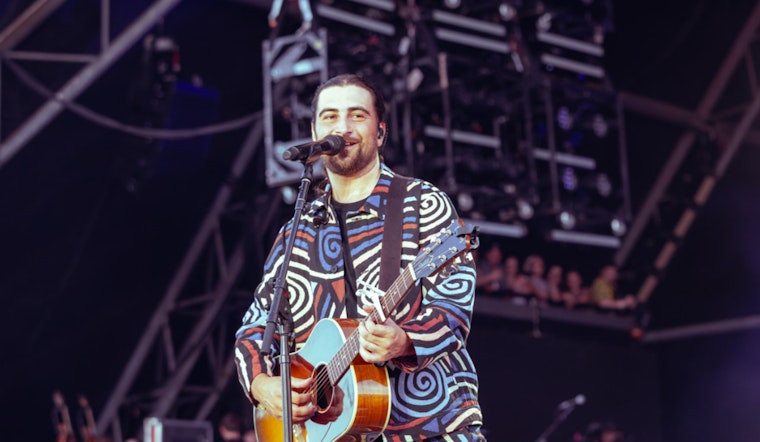
Montpelier just took a swing at ticket scalpers, moving to tame a runaway resale market that local venues say is bleeding fans dry and siphoning money out of Vermont communities. Lawmakers, venue operators and artists all lined up behind a new cap on secondary-market prices, a push that gained momentum after months of testimony and a high-profile assist from Vermont native Noah Kahan.
Gov Signs Price-Cap Measure
Gov. Phil Scott signed the ticketing bill this week, making Vermont the first state in the country to limit resale prices for concerts, sports and other events to 110% of the original ticket price and to outlaw speculative and deceptive listings. Backers say the cap will give fans and independent venues a fighting chance, while critics warn it could simply push scalping into less-regulated corners of the internet. The law is a two-year experiment that will sunset unless lawmakers renew it, as reported by The Boston Globe.
What The Bill Requires
Under H.512, “price” is defined to include all taxes and fees, and resellers and secondary exchanges are barred from listing tickets for more than 110 percent of the original face value. The law also bans speculative listings and deceptive URLs, requires clear disclosures for buyers, and gives the Attorney General authority to run audits, issue administrative penalties and revoke reseller licenses. The measure is scheduled to take effect July 1, 2026, according to the Vermont Legislature.
Noah Kahan's Role
Kahan appeared by video in April to urge lawmakers to pass the cap, and his manager later called the outcome “incredible,” arguing the shift could be foundational for artists who currently watch brokers scoop up most of the resale profits. Tickets for Kahan’s Fenway Park shows carried face values of roughly $60 to $399, yet many seats surfaced on secondary sites for more than $1,000 each, according to The Boston Globe.
Venues Say The Market Is Broken
Independent and nonprofit venues were some of the loudest voices at the Statehouse, telling lawmakers that inflated resale prices and misleading listings have eroded trust with regular concertgoers and hurt community support. Rutland’s Paramount Theatre testified that 17 people showed up to a March performance holding invalid tickets bought on the secondary market and had to be turned away at the door, according to VTDigger.
Part Of A Larger Debate
Vermont is stepping into a national brawl over what to do about bots, bogus listings and eye-popping markups. Lawmakers in California and New York have floated their own price-cap plans this year, and the rest of the industry is watching to see whether any of these efforts can actually rein in abuses without wrecking the resale market outright. Coverage in the Los Angeles Times and industry outlet Pollstar shows artists, venues and resale platforms sharply divided over how any cap would work in practice and what it would do to ticket availability.
Legal And Enforcement Notes
Violations of H.512 are treated as unfair and deceptive acts in commerce, giving the Attorney General clear authority to conduct compliance audits, levy administrative penalties and pull reseller licenses where necessary, according to the bill text. Supporters describe the law as a targeted, short-term shield for fans and community stages while policymakers study how the new rules reshape the ticket market.





