

























































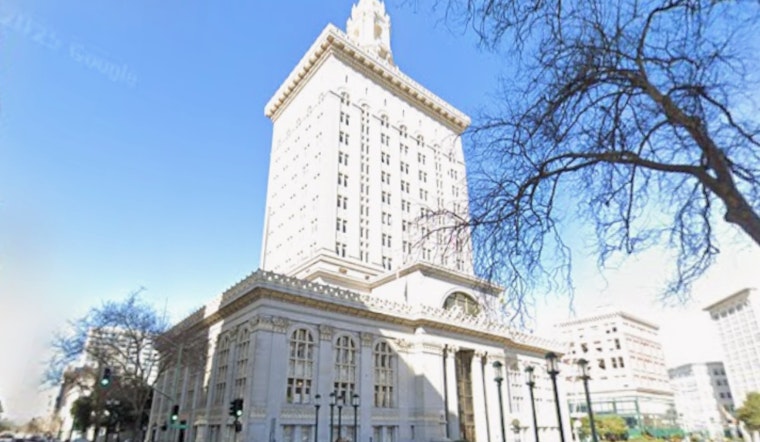
Oakland Councilmember Charlene Wang is gearing up for a November ballot fight that could hit large commercial real estate deals with a new local tax and steer the money straight into expanding shelter options for people living outside.
She briefly yanked a draft measure to rework the language, but says the basic idea stays the same: get more interim shelter beds and transitional housing online faster by creating a dedicated revenue stream.
What Wang Proposed
A first draft that appeared on a City Council agenda dubbed the measure the Oakland Shelter Access for Encampment Response Act, or SAFER. It outlined a new surcharge on certain commercial real estate transfers to pay for shelter and services.
The sketch described an eight-year commercial transfer tax surcharge that would scale with the sale price, ranging from 0.25% to 1%. Wang pulled that version back to refine the details, but the funding target has not changed. As reported by The Oaklandside, revenues would be legally dedicated to interim shelter, transitional housing and related services for unsheltered residents.
Why City Officials Say Oakland Needs It
City staff point to Oakland’s Homelessness Strategic Action Plan as the backdrop for Wang’s proposal. The plan shows the city funded about 1,262 interim housing beds and units in FY25–26, while estimating an annual funding gap of roughly $284.3 million to hit its five-year homelessness goals.
That shortfall plays out on the street. The same plan reports roughly 5,485 people experiencing homelessness in Oakland, underscoring how the current supply of beds trails the demand by a wide margin. As outlined by the City of Oakland, officials argue that a stable local funding source could accelerate the creation of interim beds and the services that help people move out of homelessness.
How County Money Fits In
Any new city tax would land on top of an existing county funding stream. Alameda County has been channeling Measure W revenue into its Home Together fund, which backs shelter, prevention and permanent housing projects. County leaders have committed roughly $1.4 billion over the life of Measure W to homelessness solutions and earlier this year awarded about $53 million to 10 projects across the county.
As reported by Pleasanton Weekly, that county investment has become part of the local argument over whether Oakland needs its own dedicated tax or simply better coordination between city and county dollars.
Ballot Math And Politics
Even if Wang lands on final language, the measure still has to clear a steep political hill. A tax like this would need approval from two-thirds of Oakland voters in November to take effect.
That supermajority threshold means backers cannot rely on a narrow base. They would need a broad coalition that spans service providers, labor, neighborhood groups and other key players to have a realistic shot. As reported by The Oaklandside, that high bar is already shaping how both supporters and skeptics are gaming out the campaign.
Enforcement Moves Complicate The Politics
The debate is colliding with another hot-button issue: how the city enforces rules on people living in vehicles.
The City Council recently approved new rules that make it easier for police and city staff to tow vehicles being used as shelter. Advocates warn that without a corresponding increase in available beds, the policy risks pushing residents into more dangerous or unstable situations and placing additional strain on outreach and health services.
NBC Bay Area reported on both the policy shift and the community backlash, highlighting the larger tension between stepped-up enforcement and limited shelter capacity.
Wang says she plans to return to the council with a revised version of the measure. If she formally introduces it, the full council would then decide whether to send it to voters in November. Until that vote, the proposal is already forcing a sharper local conversation about how to pay for more beds, how to line up city and county funding, and where Oakland voters draw the line on new taxes.





