

























































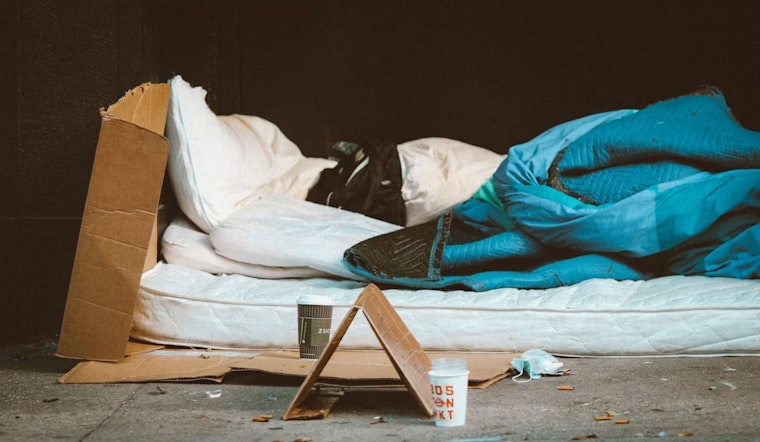
Oakland has sharply stepped up the pace of clearing homeless encampments since the U.S. Supreme Court’s 2024 Grants Pass decision, according to new research that leans heavily on the city’s own records. In the six months after the ruling, city crews went from shutting down about 14 camps a month to roughly 32, and many of those locations were hit more than once. The spike also tracked a noticeable move into lower‑income East Oakland neighborhoods, raising fresh questions about who bears the brunt of enforcement.
UC Berkeley researchers analyzed 785 encampment‑closure postings from January 2021 to December 2024 and found that 156 camps were closed more than one time. One spot was swept 18 times during that period, according to UC Berkeley News. The team’s brief, released yesterday in the American Journal of Public Health, geocoded the city’s closure notices and tracked how patterns shifted over time. Their takeaway: the trend looks less like a solution and more like dispersal, with people being moved around rather than rehoused.
City records drove the mapping
Lead author Chang’s team leaned on Oakland’s public “Completed Encampment Management Operations Since 2021” database to translate sometimes vague closure postings into map points. The portal, maintained by the City of Oakland, logs full closures, partial closures and deep cleanings, and is updated each month. Previous local number‑crunching with the same records has already flagged a pattern of repeated actions at a relatively small number of sites.
Sweeps moved southeast into East Oakland
On the map, the statistical center of encampment closures shifted about 1.5 miles southeast from its earlier spot near Lake Merritt, landing in census tracts with lower household incomes and higher proportions of Hispanic residents. The paper calls that out as a key trend. Researchers say it could point to tougher enforcement in new areas after the Supreme Court decision or to people setting up new encampments in response to earlier sweeps. "The problem hasn't been solved. They’ve just pushed them somewhere else," the paper’s first author told UC Berkeley News.
Grants Pass v. Johnson altered the legal landscape
On June 28, 2024, the U.S. Supreme Court ruled in City of Grants Pass v. Johnson that enforcing generally applicable camping bans on public property does not automatically count as cruel and unusual punishment. Legal analysts said that the shift would give cities more room to carry out encampment closures. The Court’s opinion is available on the Supreme Court website. The researchers underline the timing of Oakland’s spike in sweeps but stress that their data can show correlation, not a direct legal cause.
Public‑health and budget consequences
Researchers and local health reporters warn that encampment sweeps can cut people off from medical and social services, lead to the loss of medications and essential supplies, and drive up risks such as overdose and hospitalization. Those harms have been documented in local coverage. The study urges cities to shift money away from repeated clearances and into shelter and housing, and to report not just enforcement activity but also health, economic and displacement outcomes. The brief appears in the American Journal of Public Health, while reporting from KQED has chronicled the on‑the‑ground fallout in Oakland.
What Oakland’s policy says
Oakland’s Encampment Management Policy calls for outreach and, when possible, offers of shelter before a closure, and the city points to the Completed Encampment Management Operations log as a public record of that work. Advocates and some researchers counter that the existing records do not show what happens to people after crews leave or whether shelter offers ever turn into permanent housing. The authors of the study call for more transparent tracking of outcomes and for shifting funds toward shelter and housing instead of cycling the same sites through enforcement.
The Berkeley team’s analysis gives Oakland a closer look at its own practices at a moment when the city is already arguing over how far to lean on sweeps. Do closures actually clean up streets, or do they simply shuffle the most visible poverty into different corners of town? With city records, a major Supreme Court ruling and mounting public‑health reporting all on the table, the paper lays out a stark set of tradeoffs for local leaders weighing whether to keep ramping up enforcement or put more resources into shelter and housing.





