

























































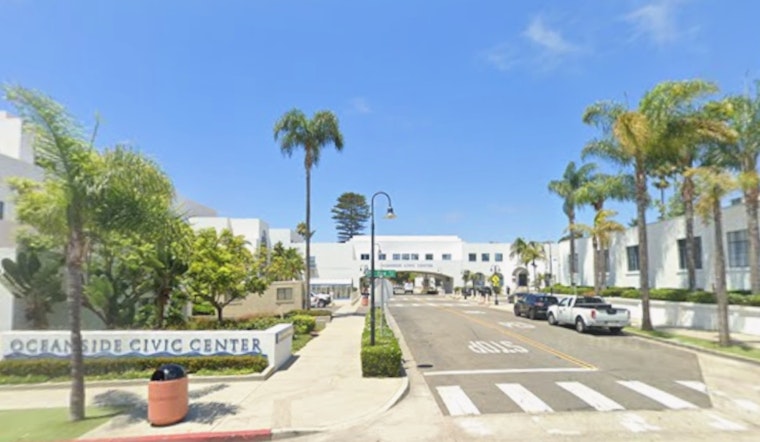
Oceanside’s Planning Commission is not exactly rolling out the red carpet for California’s latest transit housing law. Today, the commission voted unanimously to recommend that the City Council adopt an ordinance to exclude certain properties from the new transit‑oriented housing rules and delay implementation at others. The move is aimed at slowing the immediate reach of SB 79 near portions of the Sprinter rail corridor while staff pinpoints sites with safety, environmental, or infrastructure red flags.
What the commission recommended
The commission urged the council to approve an ordinance that would carve out some sites and defer SB 79 rules at other locations, as reported by The San Diego Union‑Tribune. According to the paper, the proposal zeroes in on properties within a half‑mile of Oceanside’s seven Sprinter stations and would give the city breathing room to map where denser housing actually makes sense.
Why officials want a pause
City officials and local leaders argue the state law strips away too much local discretion and could overload roads, utilities and emergency services, concerns that show up in city filings. The City of Oceanside has formally registered its opposition on the City of Oceanside site, and local coverage shows Mayor Esther Sanchez and other officials calling for a cautious, site‑by‑site rollout, according to inewsource.
How SB 79 would change development near transit
SB 79, officially the Abundant and Affordable Homes Near Transit Act, lets qualifying projects near frequent transit stops tap incentives such as taller height limits, smaller setbacks and fewer required parking spaces, in exchange for meeting minimum levels of deed‑restricted affordable housing, the City of San Diego planning staff report explains. Those tradeoffs are exactly why local planners say the rollout needs to factor in wildfire risk, wetlands and basic pedestrian access before large areas of the city are effectively upzoned.
Projects already in motion
Developers and transit agencies are not waiting around. Near some Sprinter stops, projects are already in motion: a 2024 development by the Crouch Street station calls for about 295 apartments spread across five four‑story buildings, with ground‑floor shops and restaurants, the Union‑Tribune noted. Commissioners said existing and permitted projects like that one played into their decision to recommend limiting SB 79’s immediate footprint.
What’s next
The commission’s recommendation now heads to the City Council for consideration in the coming weeks, while SB 79 is slated to take effect statewide on July 1, according to state and city planning materials. City staff have also said Oceanside reserves the right to challenge the state’s designation of transit‑oriented sites and are preparing a local Transit‑Oriented Development alternative plan to guide where the new housing capacity would land, per the city’s agenda and planning documents.
For neighbors around the Sprinter stations, the vote buys some time but not much certainty. The real showdown will come when the council decides just how hard Oceanside will push back on Sacramento as it tries to shape where denser housing can rise near local transit.





