

























































Oklahoma home kitchens just got a serious upgrade in earning power. State lawmakers say a newly signed overhaul of cottage food rules will give home cooks and small food producers more room to grow, raising the annual sales cap for qualifying home food businesses from $75,000 to $250,000. The law also renames the statute the Local Food Freedom Act and is scheduled to take effect Nov. 1, 2026.
What HB 3720 changes
House Bill 3720 rewrites the state's Homemade Food Freedom Act by updating definitions, expanding where local food products may be produced and clarifying how products can be sold or delivered. The enrolled bill sets the new "home local food establishment" threshold at $250,000 in gross annual sales and lays out separate rules for non‑perishable items and products that are time or temperature controlled for safety. As detailed by the Oklahoma Legislature, the measure also spells out delivery rules and conditions for using third parties to handle sales.
Lawmakers say it will help small producers
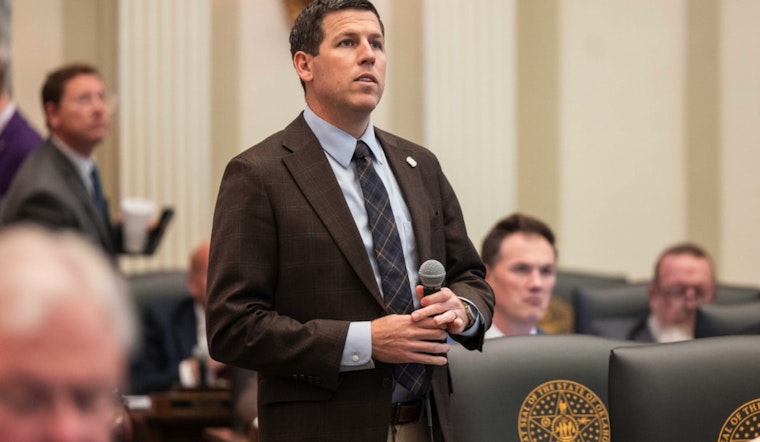
Supporters are pitching the change as a practical way to help microbusinesses grow without forcing them straight into full commercial kitchens. "This will make it easier for small producers to grow without getting buried in red tape," Rep. Rob Hall said, and Senate author Sen. Kelly Hines added the bill gives "homegrown businesses more runway to get off the ground," according to the Oklahoma House of Representatives.
Labels, training and limits
The law keeps the fine print that home producers are already used to seeing on labels. Packaged goods, bulk containers and point‑of‑sale placards must include the producer's contact information, the production address, an ingredient list, common allergens and clear language that the product "was produced in a private residence facility that is exempt from government licensing and inspection."
The statute continues to bar higher‑risk items such as meat, poultry and seafood from sale under the law. It requires approved food‑safety training for time or temperature controlled products and keeps in place an optional $15 annual registration number that producers may add to labels. Those requirements are laid out in the enrolled bill text at the Oklahoma Legislature.
How this will affect local vendors
The Oklahoma Department of Agriculture, Food and Forestry already publishes lists of approved training providers and practical guidance on which foods are allowed and how delivery or third‑party sales must be handled, and notes that perishable items require an approved course such as ServSafe. OSU Extension’s Homemade Food Freedom Act fact sheet breaks down permissible products and tax obligations for producers, while national advocacy research has argued that states with broad homemade food laws have not documented foodborne illness outbreaks tied to sales under those laws. For producer guidance and registration forms, see the Oklahoma Department of Agriculture, Food and Forestry and OSU Extension, and background research from the Institute for Justice.
Legal and enforcement notes
Enforcement will remain complaint driven. The statutory language gives the Department of Agriculture authority to request proof of training, verify a producer’s gross sales and ensure labeling and delivery compliance, and it preserves the State Department of Health’s authority to investigate reported foodborne illness. The enrolled bill also makes violations punishable by a fine not exceeding $300, language that appears in the final enrolled text.
The Local Food Freedom Act becomes effective Nov. 1, 2026, so producers planning to scale may want to review approved training options and the optional registration form on the Oklahoma Department of Agriculture, Food and Forestry website and consult county extension offices about sales tax and labeling obligations.





