

























































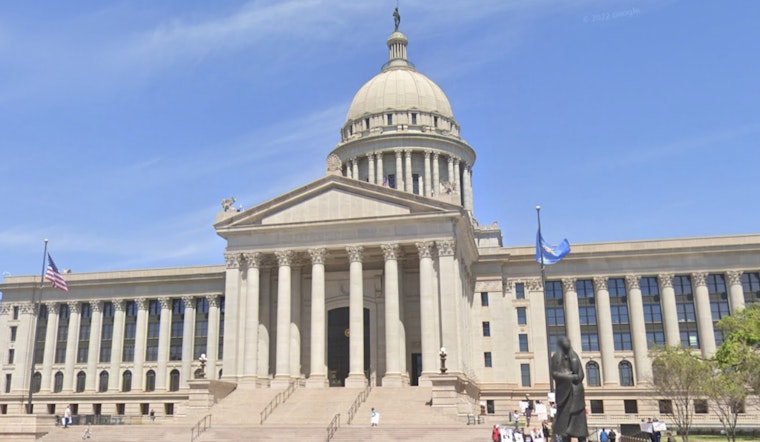
Oklahoma first responders who revive someone from a suspected drug overdose will soon have another mandatory step on their checklist: notify the police.
A new state law, House Bill 2941, will require that alert, and it also creates a legal presumption that if fentanyl is detected after a fatal overdose, it is the proximate cause of death. The governor signed the measure in early May, and it is set to take effect Nov. 1, 2026.
What the law does
Under HB 2941, once first responders have handled the immediate medical needs of a person they reasonably believe is overdosing, they must contact local law enforcement "as soon as practicable." The law also grants civil and criminal immunity to people who make that notification in good faith, according to the Oklahoma Legislature.
The statute further says that any detectable amount of fentanyl in a fatal overdose will count as rebuttable prima facie evidence that fentanyl was the proximate cause of death, setting a new baseline for how those cases are treated in court.
Supporters say it will speed investigations
Rep. Steve Bashore, who authored the bill, framed it as a way to knit together parts of the system that often operate in their own silos. "The hope is that by bringing first responders, health care workers and law enforcement together we can save lives, better educate our population, design prevention strategies and target resources to communities that need them most," he said in a press release from the Oklahoma House of Representatives.
Backers, including some district attorneys and the Oklahoma Bureau of Narcotics, argue that faster notifications will help identify particularly dangerous batches on the street and speed up prosecutions. HB 2941 cleared both chambers of the Legislature and was approved by the governor on May 1, 2026, according to LegiScan.
Critics warn it could deter help
Harm-reduction advocates and specialized outreach teams see a different risk: that tying overdose response so directly to law enforcement will scare people away from calling 911 in the first place and will undermine non-police overdose programs.
"That would destroy this team," Tulsa Fire Department paramedic and peer recovery specialist Justin Lemery told The Frontier, explaining that a visible police presence can shut down follow-up outreach and peer support with people who survive an overdose.
Data behind the push
State health data show why lawmakers are so focused on fentanyl. The Oklahoma State Department of Health reports that fentanyl was involved in 86% of opioid-related overdose deaths in 2024, after years when it accounted for roughly 10 to 20% annually before 2020.
The department's overdose dashboard also shows that deaths involving fentanyl climbed from about 127 in 2020 to 730 in 2023, then fell to 487 in 2024. Public health officials say that arc reflects shifting drug supplies and enforcement patterns, not a simple victory.
Legal implications
By treating detectable fentanyl in a fatal overdose as a rebuttable presumption of causation, HB 2941 could make it easier to tie dealers and suppliers to overdose deaths in criminal cases, according to legal observers and some prosecutors cited in reporting by The Frontier.
Supporters counter that the new standard is meant to clarify cause-of-death investigations and help spot deadly clusters more quickly, not to rewrite every overdose as a homicide. The law also keeps a narrow immunity for people who notify law enforcement in good faith, as outlined by the Oklahoma Legislature.
How all of this plays out on the ground is still an open question. State agencies, local EMS crews and harm-reduction groups will be watching closely as protocols are written and training ramps up ahead of HB 2941's Nov. 1, 2026 effective date.





