

























































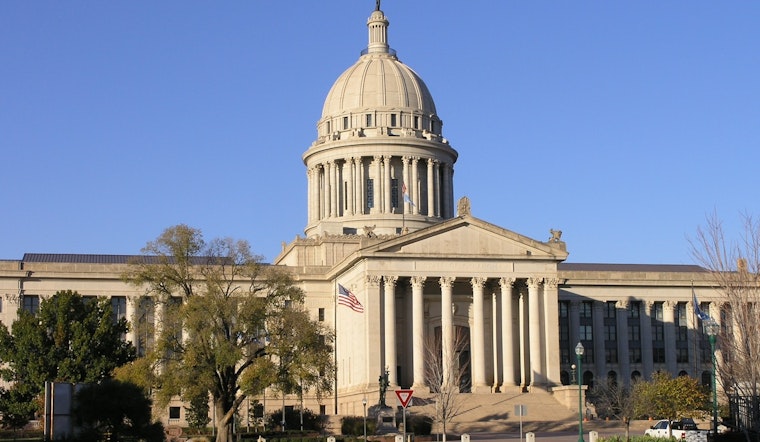
Oklahoma lawmakers this spring rolled out a bipartisan, eight-bill push aimed at tightening rules around state and local contracting after audits exposed large gaps in procurement oversight. The measures, filed as HB 3413 through HB 3420, focus on transparency, curbing no-bid deals and requiring post-contract reviews.
Rep. Judd Strom, who led the working group that drafted the package, told the House the bills were designed to close “gaps in government spending” and restore confidence that taxpayer dollars are spent as intended, as reported by Oklahoma House. Lawmakers condensed roughly two dozen problem areas into eight discrete bills to target procurement loopholes and reporting shortfalls.
The push follows a federal single audit that identified $93.4 million in questioned costs for fiscal year 2023 and singled out the Office of Management and Enterprise Services and the Department of Human Services for tens of millions in questionable spending, according to a press release from the Oklahoma State Auditor & Inspector. Auditor Cindy Byrd warned the state could face repayment obligations if federal funds are later judged ineligible.
What the bills would change
The package targets several common procurement problems. One measure would force agencies to include detailed lists of contractors, contract values and project status in annual October budget submissions and to require post-contract assessments to confirm performance and costs.
Other bills would require vendors to disclose subcontractors, direct central purchasing to publish contracts and post-project reviews, and tighten rules around sole-source procurements and reverse-auction bidding at the county and municipal level, according to summaries on Oklahoma House. Together the bills aim to make it harder for agencies to obscure costs by shifting work to consultants or using rolling solicitations that evade competitive review.
Where the bills stand
Several of the measures cleared both chambers in late April and were sent to the governor for consideration. Legislative records show that versions of the package, including measures sent to the governor on April 28, were recorded in the official bill histories for the session, see the Oklahoma Legislature's bill pages for HB 3419 and HB 3420.
Legal implications
One measure would beef up ethics enforcement by making it a felony for current or former state or local officials, employees or contractors to use confidential government information for personal financial gain. Convictions could carry prison time, fines and a prohibition on holding public office or entering into state contracts, according to reporting on the package. The reforms also include new criminal and civil penalties meant to deter misuse of inside information and back-door contracting.
Industry groups flagged as stakeholders say transparency is the practical aim. The Association of Oklahoma General Contractors told reporting outlets it supports measures that make public contracts and expenses visible and said membership favors rules that level the playing field, as reported by NonDoc.
What comes next
If the governor signs the bills, agencies would face a new set of reporting duties and procurement constraints meant to curtail sole-source and rolling solicitations that auditors say helped obscure how millions were spent. State auditors have repeatedly warned that questioned costs can trigger federal repayment requirements, a risk that figures in proponents’ urgency to tighten oversight, according to the Oklahoma State Auditor & Inspector.




