

























































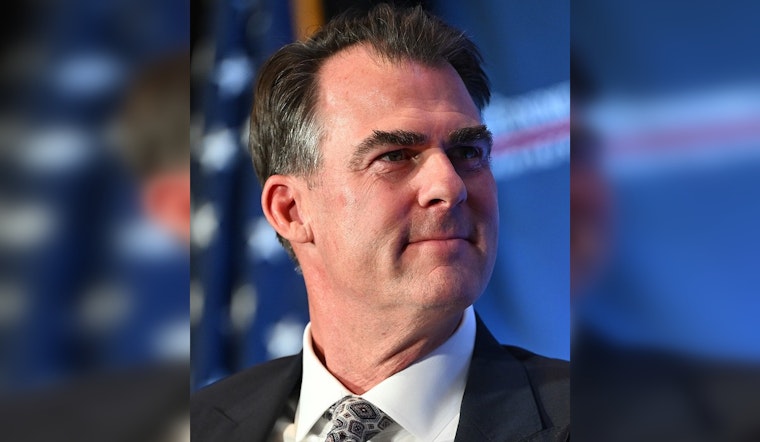
Oklahoma is rolling out a new play to tackle soaring insulin costs and boost homegrown drug production. Gov. Kevin Stitt has signed Senate Bill 1344, creating the Oklahoma Insulin Access and Affordability Program inside the State Department of Health. The law is designed to help bring fast‑acting biosimilar insulin to market and steer state support toward manufacturers that promise lower, more predictable prices for patients.
Lawmakers are pitching the move as a real-world answer to families stretched thin by prescription costs. Rep. Preston Stinson said the measure is intended to keep Oklahomans from having to “choose between paying their bills and getting the medication they need,” while Sen. Paul Rosino called it a way to inject more competition and transparency into the system, as reported by KOKH.
How the program will work
Under SB 1344, the State Department of Health can provide financial support to one or more pharmaceutical manufacturers that produce, or are developing, fast‑acting biosimilar insulin. The money does not come without guardrails. Before any funds are released, the department must sign a memorandum of understanding with each manufacturer, and the company has to put up matching non‑state funds equal to the public dollars, as detailed by the Oklahoma Legislature.
In other words, the state is not simply writing checks. It is setting up a partnership model that expects drugmakers to have real financial skin in the game.
Strings attached
The statute ties that support to strict conditions. It calls for “a commitment by the manufacturer to produce a fast‑acting biosimilar insulin at a low net cost without rebates, except as required by law,” and gives the Health Department power to seek repayment if a company fails to live up to its end of the deal.
Manufacturers that sign on must also hand over annual reports on development, production, and distribution. The department will bundle those into a single report for the governor and legislative leaders. Lawmakers built in those reporting and clawback tools to try to protect both taxpayers and patients from big promises that never quite materialize.
Timeline and oversight
Gov. Stitt included SB 1344 on a list of measures he signed in early May, according to a press release from his office. The engrossed bill text sets an effective date of July 1, 2026, while one local report says the law will take effect November 1. That timing gap is worth watching as agencies start drawing up rules and guidance for contracts, spending, and oversight. For the official language and dates, readers are directed to the governor’s announcement and the bill text.
Why it matters
Oklahoma has one of the higher diabetes rates in the country, and state data show prevalence above the national average, which makes insulin access a particularly urgent issue here. National coverage of insulin pricing and stories of patients rationing their doses have pushed states to get creative. Advocates and policy analysts say direct support for biosimilars is one of several strategies states are using to try to blunt high out‑of‑pocket costs, according to reporting by KFF Health News.
What to watch next
For now, the action shifts from the Capitol to the bureaucracy. Key questions include whether the Health Department writes detailed rules, how lawmakers decide to fund the effort, and which manufacturers are willing to match state dollars and sign the required memorandums of understanding.
Patient advocates and legislators are likely to zero in on pricing commitments and follow the first rounds of contracts and annual reports closely. The big test will be whether this homegrown insulin bet actually shows up in the form of lower pharmacy bills for Oklahomans who depend on the drug to stay alive.




_(cropped).jpg)