

























































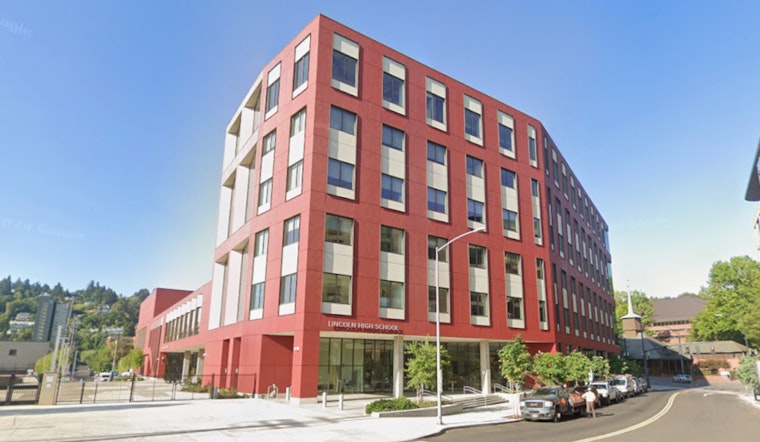
It was standing room only at Lincoln High School as Sen. Kate Lieber and Rep. Tawna Sanchez, the Legislature’s budget co‑chairs, walked into a school funding forum that quickly turned into a pressure cooker. Parents, teachers and union leaders packed the room, demanding swift action while districts warn that layoffs and program cuts are just around the corner without new money.
Speaker after speaker pressed the lawmakers to unlock one‑time "rainy day" dollars to plug district holes now. Lieber and Sanchez would not commit to a broad raid on reserves, arguing that temporary cash could only delay, not solve, deeper structural problems, according to The Oregonian/OregonLive. The back‑and‑forth grew tense as advocates demanded specifics on how reserve funds might be used to stop already announced layoffs and service reductions. Several in the crowd faulted the state’s overall school funding system and urged lawmakers to put K‑12 at the top of the agenda in the next budget.
Portland’s own crisis gave the pleas extra punch. Portland Public Schools is staring at a projected $56.3 million gap for 2026–27, and district leaders, along with the Portland Association of Teachers, have urged the state to tap the Education Stability Fund to head off mass layoffs, Willamette Week reported. School and union officials argue that districts across Oregon are under similar strain, so what looks like a local cut in Portland feels a lot like a statewide policy decision made by default.
Why lawmakers hesitate
Lieber and Sanchez pushed back on the idea of simply sending reserve money to every district, warning that such a move could quickly drain both the Education Stability Fund and the Rainy Day Fund and leave the state less able to handle other big‑ticket obligations. State financial documents project about $1.2 billion in the Education Stability Fund and more than $2 billion in the Rainy Day Fund by the end of the current biennium, and any drawdowns are limited by legal rules and a required legislative supermajority, per Oregon Department of Administrative Services filings and reporting. Those guardrails, analysts note, turn a simple‑sounding bailout into a politically and technically tricky move. Jefferson Public Radio lays out the rules and tradeoffs for tapping the reserves.
A fragmented system
Lawmakers also highlighted Oregon’s fractured education landscape as a reason there is no easy statewide fix. The state has 197 school districts, each with its own school board and budget priorities, which makes a one‑size‑fits‑all solution tough to design. Critics say that reality leaves families and staff in places like Portland scrambling while policymakers in Salem argue over how to balance short‑term rescue with long‑term oversight. Analysts and advocates are calling for a clearer mix of changes to state funding and accountability measures to avoid replaying the same crisis next year, as reported by the Oregon School Boards Association.
Both sides left the Lincoln High forum treating it as an opening round rather than the final word. Lawmakers maintained that one‑time money is at best a temporary patch, while advocates promised to keep showing up at hearings and town halls until the state delivers a more concrete plan for schools. The fight over how, and how much, to fund districts is poised to follow the Legislature through the budget process this spring and into the next biennium.





