

























































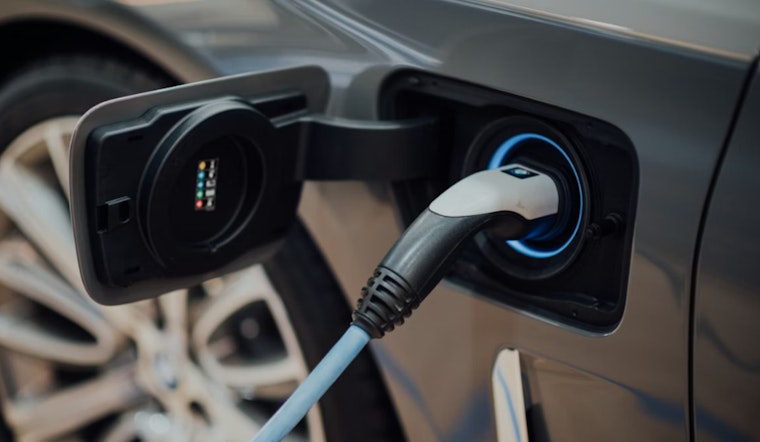
Philadelphia is gearing up to plug in drivers across the city with a new public charging network that officials say will finally put curbside and parking-lot options in neighborhoods that lack reliable places to juice up. Two private vendors have been tapped to build and run the system, with the first public stations targeted to go live in early 2027. For residents who rely on street parking instead of garages or driveways, the rollout could make owning an electric vehicle a far more realistic option.
ChargePHL program and timeline
The city’s Office of Transportation and Infrastructure Systems has laid out plans for ChargePHL, a public-private initiative that would let two companies install more than 800 public charging stations across Philadelphia over a ten-year period. Legislation to authorize the contracts was introduced on April 30, and a City Council vote is expected this spring.
According to the city’s program outline, the network is designed as a mix of Level 2 curbside chargers and higher-power DC fast chargers in selected parking lots. Together, those are meant to cover both slower overnight or day-use charging and quicker top-ups for longer trips. City materials currently point to January 2027 as the target for the first stations to flip on.
Who the city picked to build the network
Contract term sheets and reporting indicate that the city chose two vendors to split the work. A Brooklyn-based startup, It’s Electric, is slated to handle curbside Level 2 chargers, while PositivEnergy will install Level 2 and DC fast chargers in city-owned and Philadelphia Parking Authority (PPA) lots.
Reporting on the agreements indicates that PositivEnergy is lined up to install roughly 435 charging ports over the life of its contract. It’s Electric would start with about 500 single-port curbside chargers, with an option to add more later. If the system is fully built out, the combined total would top 900 ports. Under long-term concession deals described in contract documents and coverage, both companies will share revenues with the city, with minimum annual payments and increasing revenue-share percentages that send more money back to municipal coffers as usage grows.
How the curbside approach works
It’s Electric relies on a “behind-the-meter” curbside setup that pulls power from nearby buildings, a model meant to sidestep lengthy and costly utility upgrades. Instead of large pedestal units with attached cables, the company installs compact, untethered charging posts, and drivers plug in using their own charging cable.
Axios Philadelphia reports that the contract would allow It’s Electric to deploy an initial wave of about 500 chargers, with room to scale beyond that. The company has said property owners who host connections could earn roughly $3,000 a year. On its website and in briefing materials, It’s Electric describes the hardware as small-footprint gear built to speed installations in dense neighborhoods where trenching for new utility service lines would be slow and expensive.
Where chargers will appear — and who gets priority
The city says curbside units will be placed along commercial corridors and near municipal buildings, while PositivEnergy’s Level 2 and DC fast chargers will be installed in selected PPA surface lots. Officials have said that neighborhoods without PPA lots or any existing public chargers will be at the front of the line.
The administration is gathering community input and specific site requests through a public survey and mapping process, and the program is expected to work with local groups and the PPA to lock in exact locations before construction crews start drilling into the pavement.
Speed, grid needs and technical tools
PositivEnergy says its deployment can include DC fast chargers ranging from roughly 50 kW up to 360 kW, paired with on-site battery energy-storage systems to help manage power demand and improve reliability. Federal guidance and industry data from the U.S. Department of Energy note that DC fast chargers can add roughly 100 to 200 miles of range in about 20 to 30 minutes for many vehicles, depending on the model.
Those speeds come with a catch: DC fast chargers need significantly more utility capacity at each site, which can complicate timelines and raise costs. Using batteries on-site or smarter software controls is a common strategy to reduce the need for heavy grid upgrades, smooth peak loads and keep chargers available for drivers even when the grid is under stress.
Payments, city revenue and enforcement
Under the ChargePHL framework, the selected vendors will run their own payment apps and dashboards and are responsible for installation and maintenance costs. Contract documents and reporting say the city will receive minimum annual payments and a share of gross revenues that grows as the system scales.
To keep charging spots turning over, the city and the PPA plan to use time limits, fees for overstaying and camera-based enforcement at some locations. The PPA will be authorized to issue tickets and tow vehicles that block chargers. Officials say enforcement rules will be tailored to each charger type and location so that faster DC charging bays do not get jammed up by long-term parkers.
What to watch next
Council action to authorize the contracts is expected in the coming weeks. As soon as the deals are in place, the city and its partners plan to publish maps, take public suggestions for locations and start narrowing down sites.
City and vendor materials emphasize that the first ChargePHL stations should appear within roughly 12 to 18 months of contract activation. The companies say the explicit goal is to bring convenient charging to neighborhoods where drivers currently have few, if any, options.
Sources: according to City of Philadelphia; reporting and contract details from Billy Penn; coverage of the curbside model from Axios Philadelphia; company details from It’s Electric and PositivEnergy; federal charging guidance from the U.S. Department of Energy.





