

























































An 18-month-old Phoenix boy who police say had fentanyl in his system has died, and his mother is now facing a manslaughter charge tied to his death, according to court records. The child was found unresponsive at a home in the spring, rushed to the hospital in critical condition, and died on May 19. A toxicology report later showed fentanyl in his system, and investigators say the case is still under review.
What investigators say
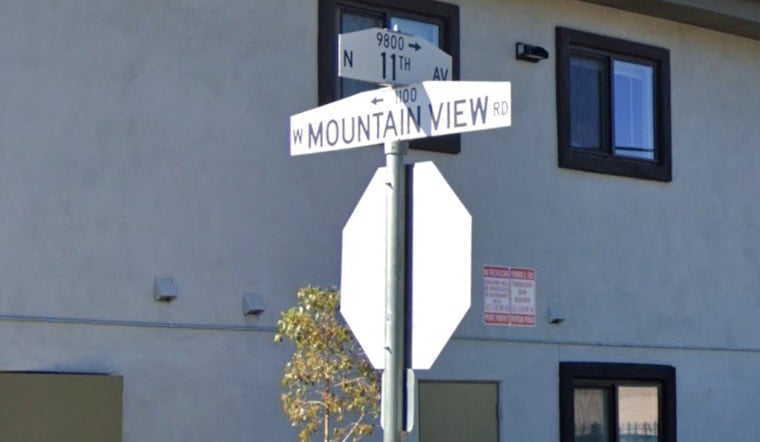
Court documents reviewed by ABC15 state that officers were called on April 19 to a home near 11th Avenue and Mountain View Road, where they found the toddler unresponsive. Phoenix Fire Department crews took him to a hospital in critical condition.
The boy died a month later, on May 19. Toxicology results then showed fentanyl in his system, according to those same court filings. The child’s mother, identified as Kimberly Michelle Martin, was already under indictment on a child-abuse charge filed April 28 and now faces an added manslaughter charge in connection with his death.
Rising risk for young children
Public health researchers say cases like this are part of a disturbing trend involving kids and fentanyl. A 2023 JAMA Pediatrics analysis found fentanyl was involved in the vast majority of pediatric opioid deaths by 2021, with fatalities surging among the youngest children.
The Centers for Disease Control and Prevention overdose data dashboard points to illegally made fentanyls as a leading driver of fatal overdoses nationwide, underscoring how even tiny amounts can be deadly, especially for very young children.
Legal next steps
According to the court records cited by ABC15, Martin was first indicted on a child-abuse charge on April 28. After her son’s death and the toxicology findings, prosecutors added a manslaughter count.
Documents say Martin told investigators she fell asleep, later woke up to find the toddler unresponsive, and tried to administer Narcan before calling for help. The charges remain allegations, and she is presumed innocent while the investigation continues.
Prevention and resources
Pediatricians and public health groups stress that any medications or illicit drugs should be stored locked and out of reach, noting that even trace amounts of fentanyl can be lethal to a child. The American Academy of Pediatrics has pushed for safe storage practices and wider access to overdose reversal kits like naloxone.
Families seeking treatment, addiction support, or crisis help can use SAMHSA’s FindTreatment.gov, call 1-800-662-HELP for substance use and mental health services, or dial 988 for immediate crisis assistance.





