

























































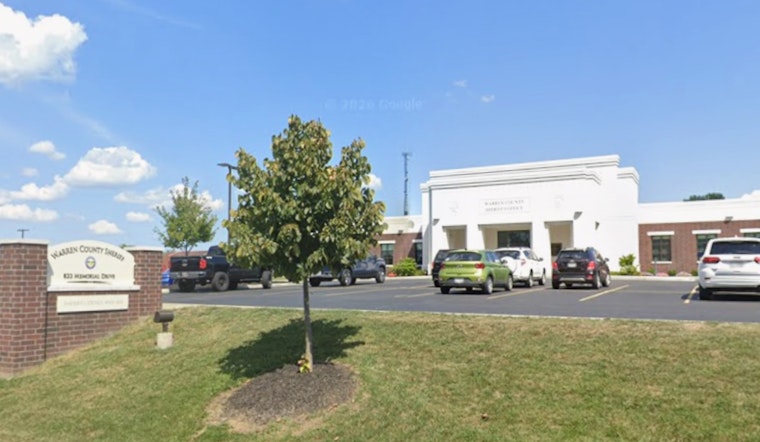
Wayne County residents are being told to watch their wallets after a slick phone scam surfaced that uses fake sheriff's deputies and urgent pleas for bond money to squeeze thousands of dollars out of worried relatives.
What The Sheriff’s Office Says
In a social media alert, the Wayne County Sheriff's Office said scammers are calling families of people who have been arrested on domestic-violence charges and pretending to be law enforcement. The callers have reportedly used names like "Lieutenant Richard Cummings" and "Officer Reed" and claim they can help bond out an inmate if the family pays up front.
Instead of sending anyone through the normal booking and bonding process, the callers tell relatives to send money through Venmo or Cash App. That is the first big red flag, according to the sheriff's office, which stressed that these are not official procedures and that the office does not employ anyone by the names being used.
WOIO/Cleveland 19 reported that the scam has involved phone numbers including 330-654-6864 and 330-287-5750. The outlet noted that the amounts demanded have ranged from $1,000 to $3,500 and that anyone who receives a suspicious call or text is urged to hang up and contact the sheriff's office directly.
How The Scam Works And What To Do
Consumer authorities say this kind of scheme is fairly textbook: scammers spoof local numbers, create panic by saying a loved one has been arrested, then demand immediate payment through peer-to-peer apps that make it tough to claw money back once it is gone. The tactic relies on speed, fear, and just enough detail to sound believable.
The Federal Trade Commission keeps detailed advice on government impersonation scams, and victims can file reports with both the FTC and the FBI's Internet Crime Complaint Center, also known as IC3. For public-facing tips on spotting and avoiding these cons, the agency directs consumers to guidance from the Federal Trade Commission.
If you get a call that feels off, the advice is simple: hang up, take screenshots of any texts or QR codes, and jot down the caller ID information. Then verify the story yourself by calling the sheriff's office at a number listed on the official county or sheriff's website, not one given to you by the caller.
If money has already been sent, the guidance is to contact your bank or payment app right away, then file a report with local law enforcement and at ReportFraud.FTC.gov so investigators have a paper trail to follow and can preserve whatever evidence exists.
Not A New Trick
Officials across the country have been wrestling with similar pitches in which callers pretend to be from a court, jail, or other government office and insist on instant payment to dodge an arrest or speed an inmate's release. The details change, but the core playbook remains the same.
There have been reports of comparable shakedowns, sometimes involving QR codes or instant-pay apps, showing that the approach is widespread and still evolving, including parallel cases in other jurisdictions.
Locally, the Wayne County Sheriff's Office is asking anyone who receives a suspicious call or text to notify the department, and to hold onto call logs, screenshots, and any payment receipts. Those records, they say, can make a real difference when it comes time for law enforcement and financial institutions to trace transactions and, in some cases, recover the money.



