

























































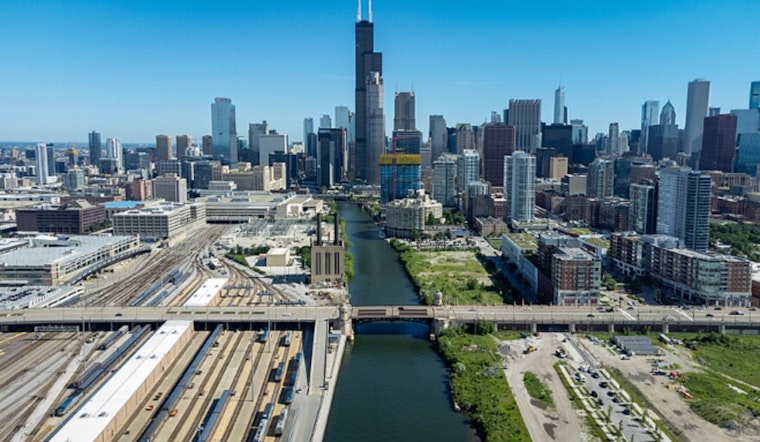
Pilsen neighbors are turning up the pressure on city planners, calling for some of the neighborhood's industrial land along the South Branch of the Chicago River to be traded for green space and cleaner air. At a community meeting earlier this month, residents said the new planning study should prioritize riverfront access and public health while still protecting solid local jobs.
City launches study after neighbor pressure
The Department of Planning and Development introduced the Pilsen Industrial Corridor study at a May 6 kickoff meeting at Dvorak Park, city officials said. According to the Department of Planning and Development, businesses, labor representatives, and residents were invited to help shape the plan.
Study area and goals
City materials describe the corridor as roughly 1,070 acres of Planned Manufacturing District 11 that runs along the South Branch between Halsted and Western, and say the study will assess land use, employment trends, market conditions, and infrastructure needs, according to the 25th Ward. Planners framed the review as a chance to rethink riverfront trails, neighborhood connectivity, and how industrial uses and public space can coexist.
Industry, jobs, and pollution
The corridor still hosts large industrial operations, including a major scrap-metal yard run by Sims Metal Management, and those facilities sit at the center of the latest debate. The company’s location page describes its Paulina Street yard, and federal documents show the site has been subject to inspection and enforcement reviews, including an EPA inspection report.
Residents press for 'clean before green' while labor organizes
At the kickoff meeting, attendees urged the city to push for more publicly accessible riverfront parks and to rein in big polluters, naming Sims and the long-troubled Fisk site, while others warned against moves that could strip away jobs, residents told Block Club Chicago. The report also notes that the corridor added more than 5,000 jobs between 2002 and 2024 and that a workforce group has formed to represent labor interests as the study moves forward. City staff suggested the review could recommend that new commercial and industrial projects include publicly accessible, privately owned green space along the river and said they will coordinate with neighborhood groups on South Branch connectivity projects.
What's next for the review
Planners told the community they plan to bring an informal update on the project to the Chicago Plan Commission later this month while they refine recommendations based on public feedback. Officials have also signaled follow-up meetings and technical work aimed at balancing job retention with pollution controls and riverfront access.
Context and why residents are watching
Pilsen has long juggled industrial jobs, pollution and environmental-justice concerns, and past permit fights and demolitions have left neighbors wary of quick fixes. Reporting by Northwestern’s Medill and other outlets has documented decades of community organizing around air quality and land use, and local groups say they want clear timelines, monitoring commitments and labor representation as the study continues.
City officials say they will use ongoing public meetings to refine recommendations and take feedback from businesses, labor and residents, according to the Department of Planning and Development. Planners expect to return with formal recommendations after additional analysis and public outreach.





