

























































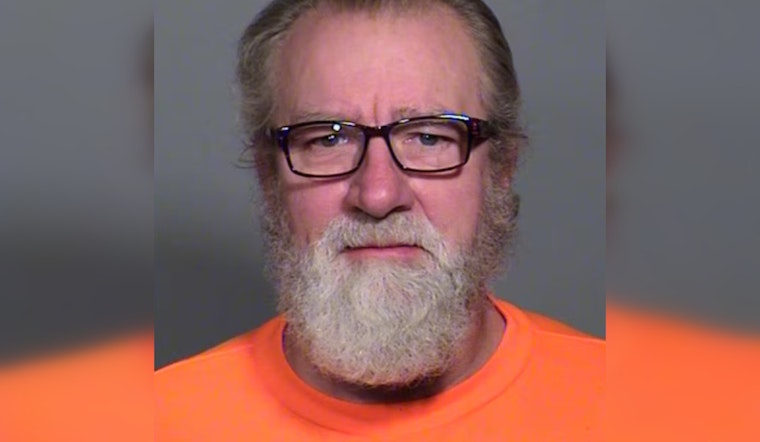
Pinal County prosecutors are moving to put one of Arizona’s most infamous inmates on death row, filing formal notice that they will seek capital punishment for Ricky Wassenaar, the man accused of killing three fellow prisoners at the Tucson state prison last year. The high-stakes move is turning a grim prison yard incident into a test case for how Arizona handles its most violent offenders and how safely it runs its prisons.
Pinal County Attorney Brad Miller’s office filed a notice of intent to pursue the death penalty after reviewing the case, and Miller said he believes the punishment fits Wassenaar’s “extensive history of violence,” according to Arizona's Family. The filing comes on the heels of grand-jury action earlier this year and indictments charging Wassenaar with three counts of first-degree murder and one count of aggravated assault. Despite his public statements, Wassenaar has entered a not guilty plea, officials say.
The killings unfolded during an altercation inside the Cimarron Unit at the Arizona State Prison Complex Tucson on April 4, 2025. Officials later identified the dead as Saul Alvarez, Thorne Harnage and Donald Lashley, according to 13 News / KOLD. Wassenaar, already serving roughly 16 life terms tied to a notorious 2004 prison tower hostage standoff, was taken into custody at the scene and transferred to maximum custody. The Arizona Department of Corrections, Rehabilitation and Reentry’s Office of the Inspector General opened a criminal investigation into the deaths.
Wassenaar's Confession
Outside the courtroom, Wassenaar has hardly stayed quiet. He has repeatedly told reporters and advocates that he deliberately targeted men he described as child sex offenders, claiming “I did society a favor” when talking about the April killings, according to the Arizona Mirror and other local outlets. He has also previously claimed responsibility for killing a cellmate in November 2024.
Those statements have complicated the investigation, turning a brutal prison fight into a high-profile, emotionally charged case. Families of the dead inmates and prison reform advocates have expressed outrage, and prosecutors say Wassenaar’s confessions are part of the evidence they weighed before deciding to pursue a capital case.
Corrections Response And Critics
Inside Arizona’s prison system, the case has sparked a fierce debate over who should be housed where and with whom. Prison reform advocates and corrections union leaders say Wassenaar repeatedly warned staff that putting him in close contact with other inmates would be dangerous. They argue that classification and housing decisions set the stage for the April attack, according to reporting by FOX 10 Phoenix.
ADCRR officials have pushed back on that narrative, saying staff responded quickly once the violence began, that a full investigation is underway and that all inmate deaths are automatically reviewed with the county medical examiner. Even so, lawmakers and advocacy groups have seized on the incident to demand changes to close-custody policies and staffing ratios in Arizona’s prisons, arguing that the system failed everyone involved.
Legal Process And State Context
The notice of intent to seek death sets Wassenaar’s case on the long and expensive track of a capital prosecution, a process that can involve specialized pretrial hearings and, if there is a conviction, an extended penalty phase focused on whether he should live or die in state custody.
Arizona has resumed executions in recent years, according to CBS News. Male death row inmates are primarily held at the Rincon Unit in Tucson, while executions take place at the state prison complex in Florence, per the Arizona Department of Corrections’ death row information site ADCRR. Prosecutors say Wassenaar’s long record of violence, including the 2004 tower hostage standoff, factored heavily into their decision to seek a capital sentence.
For now, Wassenaar remains under maximum restrictions in state custody as the case grinds forward. He is scheduled to appear at upcoming court hearings, authorities told reporters, according to ABC15. The Pinal County filing marks the start of what is likely to be a lengthy and closely watched legal battle, one that has already fueled legislative scrutiny and fresh calls for policy changes inside ADCRR.





