

























































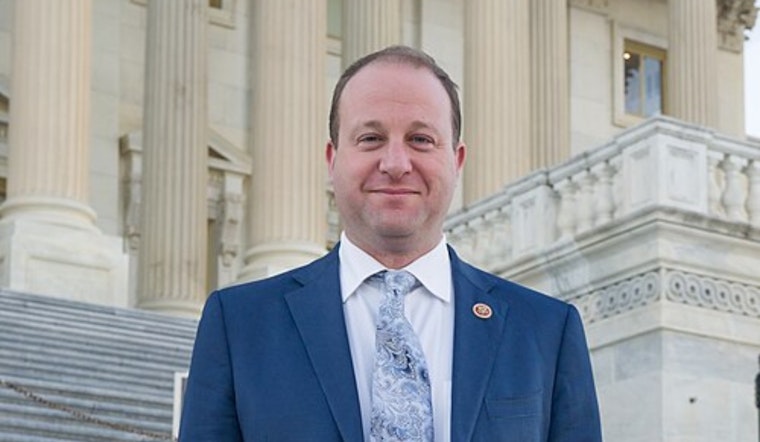
Colorado’s wildfire fight just got an injection of state cash. Gov. Jared Polis this week signed amendments to earlier disaster executive orders to unlock emergency funds for both fresh and lingering crises across the state, as fire crews work spring blazes and communities continue long-haul recovery from past megafires and severe storms. Polis highlighted the moves on social media.
The latest paperwork also puts in writing a verbal disaster declaration Polis first issued on April 13 for the Schwachheim fire southeast of Trinidad, which burned inside the Lake Dorothey State Wildlife Area and spread quickly in mid-April. The Colorado Sun reported on the blaze and the governor’s early call as firefighters worked to box it in.
Which Incidents the Order Covers
In a Facebook post, the governor’s office said the amended executive orders keep disaster emergency funds available for a wide slate of incidents, including the Gageby Creek fire; the Grizzly Creek and Red Canyon fires; the Cameron Peak, Mullen, East Troublesome, and Calwood fires; the Marshall Fire; a June 2023 severe-weather and flooding event; and a hazardous-materials incident in Pueblo County. The post also notes that unused money originally set aside for the June 2023 flooding will be redirected to support active suppression and recovery efforts, according to Facebook.
Why This Matters for Communities
Pulling from the state’s Disaster Emergency Fund lets Colorado pay for aircraft, handcrews, and other resources right away instead of waiting on federal reimbursements. That kind of financial flexibility can make a real difference during a fast-moving fire season. The governor has used the same executive-order tool in the past to reallocate and preserve emergency dollars for recovery after major incidents, according to the Colorado Governor’s Office.
Legal Authority and Oversight
Colorado law sets up the Disaster Emergency Fund and gives the governor the power to direct transfers once a disaster emergency is declared. That authority, including how money can move into resource-mobilization or wildfire-response accounts, is laid out in section 24-33.5-706 of the Colorado Revised Statutes. The state treasurer must account for the transfers, which are coordinated with the Division of Homeland Security and Emergency Management (DHSEM), the Division of Fire Prevention and Control, and other agencies.
How Local Response Will Be Affected
When the governor activates the State Emergency Operations Plan, DHSEM coordinates state support for local governments and runs the State Emergency Operations Center. That is the framework the executive orders tap to steer funding and resources where they are needed. Local emergency managers will keep setting priorities in the field, while the state supplies overhead support and financial backup through existing channels. The structure is detailed in the DHSEM State Emergency Operations Plan.
Polis’ latest actions are aimed at smoothing the flow of money to firefighters and county recovery teams so they can keep work going this spring and into the summer. State officials say they will continue to monitor incidents and adjust funding as needed.



