

























































Jacob Harth, the Oregon-born chef behind several high-profile seafood projects, is turning his attention to a historic stretch of Tillamook Bay. He plans to bring the old Harris family oyster house at Memaloose Point back to life as Bayocean Oyster House, a combined waterside counter-service restaurant, seafood market and working processing dock, with an opening targeted for spring 2027. Harth and his partners say the menu will lean on local oysters, simply grilled fish and value-added products, including a bisque made from invasive green crabs, all processed and sold on site. They are pitching the project as both a neighborhood seafood window and a regional hub for traceable coastal product.
Harth first made his name in Portland with Erizo, a tasting-menu seafood spot that drew national attention and landed him on Eater’s Young Guns list in 2019. According to Eater Portland, his work there emphasized foraging, dive-harvested shellfish and underused local species. Since then, Harth has cooked in Michelin-linked kitchens and launched projects overseas, giving him experience with both high-end technique and scaled service. That blend is part of the pitch for Bayocean: keep coastal seafood accessible without stripping out the craft behind it.
Partners and property
Local real-estate and design firm Urban Patterns is leading the redevelopment of the Tillamook site alongside Harth and hospitality lead David Sisler. Urban Patterns principals Ben Gates and James Lee are listed as leaders of Local Bayocean LLC, the entity that will hold the property, per Urban Patterns. The team says the project will preserve rare waterfront infrastructure and add a working dock and processing room to keep more of the seafood supply chain on the coast. That move to in-house processing is intended to support both retail sales and wholesale relationships with nearby farmers and fishermen.
Funding and timeline
The group closed on the Tillamook property in 2025 and secured a community loan to underwrite acquisition and early buildout work last fall, according to project documents. Steward, which documents community financing campaigns, shows a loan that funded Local Bayocean LLC in November 2025 to assist with acquiring and preparing the oyster house site, and that campaign page details plans for restaurant, retail and processing space. State business records list Bayocean Shellfish Company LLC with a legal address on Bayocean Road, aligning the corporate filings with the Tillamook footprint. Developers say permitting and construction will guide a spring 2027 counter-service opening date.
Where it will sit
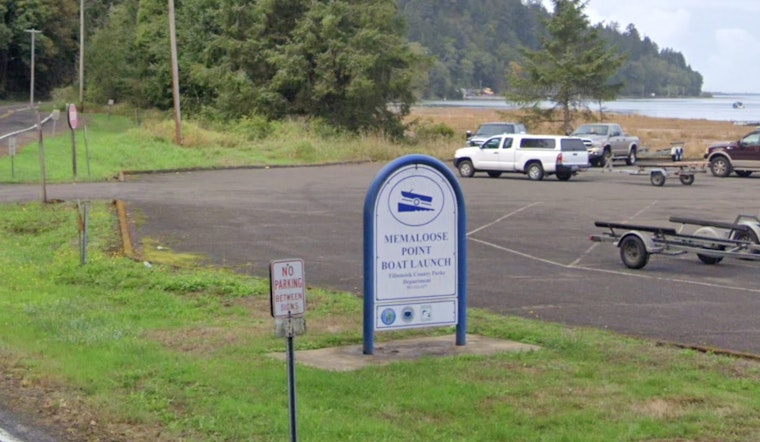
The oyster house sits at Memaloose Point, adjacent to the Memaloose Point boat launch on Bayocean Road, a stretch of Tillamook Bay long used by local fishermen and oyster growers. Tillamook County’s parks pages and boat-launch listings identify Memaloose Point as a county boat ramp on Bayocean Road, confirming the site’s direct access to the bay. Developers say keeping a working dock was central to winning the site and to the aim of connecting diners directly to harvesters. That kind of waterfront access is rare along the Oregon coast and is a key part of the project’s pitch to both locals and visitors.
Menu and model
Harth says the Bayocean menu will center on local oysters and simply grilled fish, with an eye toward creative uses for underused species such as invasive green crab. In an interview with The Oregonian/OregonLive, Harth described the project as a chance to marry rigorous technique with everyday seafood service, saying “it was an amazing learning experience.” The operation is expected to be counter-service rather than full fine-dining, a choice the team says will keep prices approachable and turnover fast on busy coastal days. Harth also told reporters the site will include a retail market and processing line so fish and shellfish can be sold fresh or value-added on site.
Why it matters for the coast
Organizers frame Bayocean as more than a restaurant. In their telling, it is an attempt to keep more of the seafood supply chain local, from harvest to processing to retail. Project materials highlight goals such as sourcing a high percentage of products from regional producers, eliminating single-use plastics and offering on-site employee housing to support coastal jobs, per the project profile. For a coast that currently imports a large share of the seafood consumed locally, developers say the hub could channel more dollars back to fishermen and growers while preserving working slips and processing capacity. Final permitting, dredging and construction are still ahead, but the team says returning the oyster house to productive use is step one toward a more resilient coastal economy.





