

























































Warren County's polished, high-income image is taking a hit. The county's poverty rate climbed in the latest five-year estimates, rising to 6% in 2020–2024 from 4.6% in 2015–2019. That shift represents thousands more residents living below the federal poverty threshold, roughly 14,600 in the most recent ACS window versus about 10,100 previously. The increase is especially notable in a county that ranks near the top of Ohio for median household income and is adding pressure on already stretched safety net programs.
Data and local reporting
Local reporting by Warren County Post points to a county profile assembled by USAFacts, which lists a 6% poverty rate and an estimated 14,600 people in poverty for 2020–2024. Those figures amount to a roughly 44.5% increase in the count of residents below the poverty line compared with the 2015–2019 five-year period. Analysts note that five-year ACS windows are designed to smooth short-term swings, but say the clear upward trend is something local officials cannot ignore.
Different datasets, different totals
The Census Bureau offers multiple ways to measure poverty, and they do not always land on the same number. The ACS 5-year averages used by USAFacts are one approach. A different tool, the Small Area Income and Poverty Estimates (SAIPE), relies on a separate model. SAIPE's county estimate for 2024 is higher, at about 16,600 people in poverty, reflecting methodological differences between survey-based averages and modeled estimates. The underlying series can be explored through the St. Louis Fed's FRED database.
Who saw the biggest increases
According to USAFacts demographic breakdowns, some groups have been hit harder than others. Child poverty climbed from about 4.8% to 6.5%, while the rate for residents older than 65 jumped from roughly 4.3% to 7.5%. Adults under 65 also saw a smaller increase, from around 4.5% to 5.3%. Together, those shifts point to mounting pressure on both family-focused services and programs that support older adults in the county.
Where people can get help
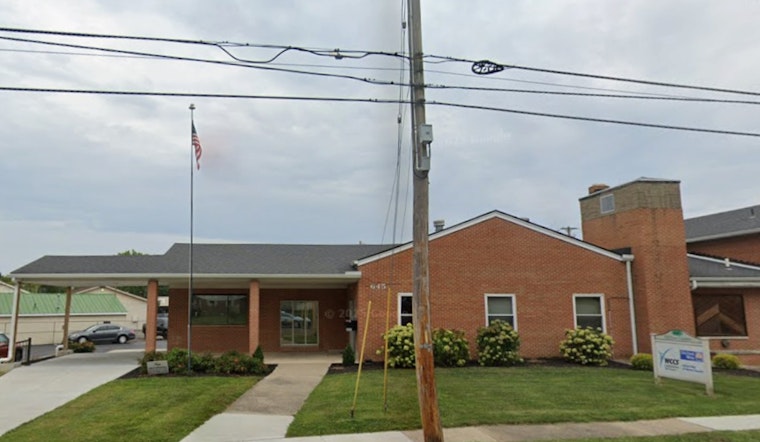
Local agencies such as Warren County Community Services already run emergency assistance, HEAP, and housing programs that typically see higher demand when poverty rises. Nonprofits and faith-based groups also operate food pantries and rental assistance efforts across the county. As more residents slip below the poverty line, those networks are likely to feel the squeeze first.
What to watch next
Because ACS 5-year numbers are period estimates, analysts will be watching for confirmation in single-year releases, SAIPE updates, and local service statistics. Both USAFacts and the Census advise caution when comparing overlapping five-year windows; for more technical notes, see the FRED and Census pages. Local reporting and official county releases will help show whether this jump is a blip or the start of a longer-term problem, and what policy responses or new relief efforts follow.





