

























































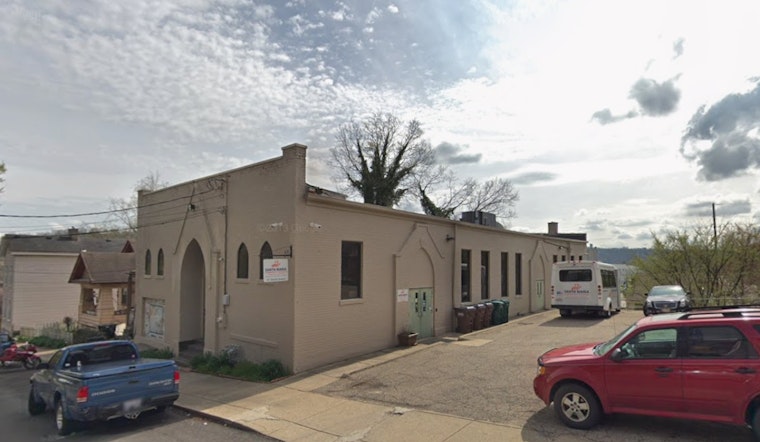
Price Hill is getting a major neighborhood upgrade, and it is coming in the form of one big, all-purpose home base for help.
Santa Maria Community Services has kicked off the public phase of a $16.5 million capital campaign to build a single, 26,600-square-foot community hub in Price Hill. The new center is designed to replace the nonprofit's scattered, aging sites and bring its services together for local residents and families each year, with organizers saying the goal is to make it easier for neighbors in East and Lower Price Hill to actually get to the help they need.
In a press release via Santa Maria Community Services, the nonprofit described its "One Building, Thriving Families" campaign and laid out what will go inside the new Considine Avenue hub. Plans call for a computer lab, a walk-up food pantry, a clothing closet, laundry facilities and private meeting rooms for one-on-one coaching. The release notes this is Santa Maria's first capital campaign in its history and names campaign co-chairs and early lead donors. The nonprofit also said the larger facility will give room for partner organizations to provide on-site legal, mental health and other support services.
As reported by WKRC Local 12, Santa Maria has already lined up about $15.5 million toward the $16.5 million goal, leaving a relatively small gap for additional funders to close. WKRC also noted that the campaign is intended to replace multiple small sites that have limited the nonprofit's reach and that the organization currently serves roughly 3,000 people annually in Price Hill.
What the hub will offer
The new 26,600-square-foot center is meant to function as a one-stop shop. According to the organization, it will bring early childhood programs, parenting support, financial coaching, housing assistance and youth development programs under one roof instead of spread across several buildings.
The hub will feature a larger, market-style food pantry and a computer lab that residents can use for job searches and schoolwork. Private rooms are planned for case management and for outside partner agencies that want to work on site.
In the press materials from Santa Maria Community Services, leaders stress that putting all these services in one location is meant to cut down on transportation hassles, reduce the number of stops families have to make and improve follow-through on appointments and referrals.
Where it will be built and approvals
City planning documents list the project site as 1048 Considine Avenue and show that the property was rezoned to Planned Development District PD-101 so the project could move forward. The plans do not stop with one building. The city packet indicates a second phase will add a Community Action Agency Head Start building for roughly 200 students, along with surface parking, walking trails and outdoor play areas.
As outlined by the City of Cincinnati planning page, the proposal has already been through staff review, the City Planning Commission and City Council committee discussions. In other words, it is not just a sketch on paper anymore, although formalities still remain.
Why it matters for Price Hill
Local reporting places the Considine Avenue site at the center of years of behind-the-scenes work. The long-vacant acreage needed federal approvals tied to HUD and drew attention because it sat empty for decades while neighborhood organizers pushed for investment that was created and led locally rather than dropped in from the outside.
Soapbox's reporting notes that the campaign is pulling together a mix of state funding, foundation grants, federal tax credits and private donations to hit the $16.5 million target. Residents and neighborhood leaders say that a visible, centralized community hub has the potential to reshape how families access services and how future investment flows into Price Hill.
Next steps
Santa Maria has moved into the public fundraising phase while the last pieces of the development process play out, according to city records. Planning materials show that the proposal has been discussed at City Planning Commission and City Council committee meetings, and that a major amendment and final development plan are among the approvals still needed before building permits can be issued.
The nonprofit and its partners say that once they close the remaining funding gap and secure those final approvals, they can shift from years of planning and paperwork into site preparation and construction.





