

























































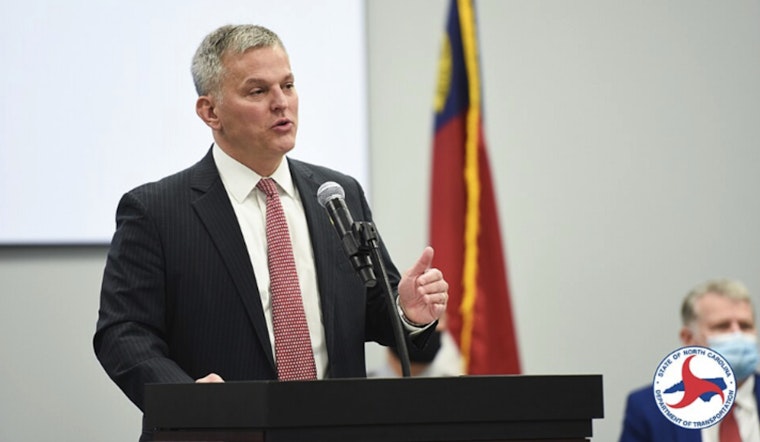
North Carolina Gov. Josh Stein is moving to keep state secrets from turning into side hustles on betting sites. On Wednesday, he said he will sign an executive order that blocks certain state employees from using nonpublic information from their jobs to place wagers on online prediction markets, a step his office says is meant to shore up public trust. The directive zeroes in on staff whose work touches public safety, commerce and disaster response, and it also forbids using state time or equipment for trading. The move comes as officials across the country scramble to respond after a run of insider trading allegations on fast-growing prediction platforms.
According to The News & Observer, the order will cover employees in agencies that make up the governor’s cabinet, including the departments of commerce, environmental quality, transportation, public safety and adult corrections. It extends the North Carolina State Ethics Act so it explicitly applies to prediction-market trading, and it bars staff from placing trades that "significantly pertain" to their official duties or from using state resources to access those markets.
"When people use nonpublic information gained at work to get an unfair advantage, it erodes public trust," Stein said in a written statement, his office told The News & Observer. The directive also tells cabinet agencies to comb through their internal policies and issue guidance to employees who might be affected.
Insider Trading Scandals Jolt Regulators Into Action
Raleigh is not acting in a vacuum. The announcement follows a series of headline-grabbing cases that raised fresh questions about insider trading on event-based markets. In April, federal prosecutors charged a U.S. soldier after he allegedly used classified information to win about $400,000 on the platform Polymarket, according to a press release from the Department of Justice. On Capitol Hill, the U.S. Senate voted unanimously in late April to prohibit senators and their staff from trading on prediction markets, as reported by the Associated Press. Those developments were laid out in detail by the Department of Justice.
Prediction Markets Caught In National Legal Tug Of War
The platforms themselves sit in the middle of a growing legal fight over who gets to regulate event contracts. Minnesota passed a sweeping ban on prediction markets this month, and the Commodity Futures Trading Commission moved to block that law, a clash that Quartz says underscores competing state and federal claims to authority. At the same time, platforms are policing their own users. Earlier this year, Kalshi fined and suspended a MrBeast editor after determining his trades were tied to nonpublic information, as detailed by CBS News.
What Stein’s Ban Means For State Workers
For North Carolina employees, Stein’s order tightens the boundary between acceptable investing and ethics violations. The restrictions are tied both to what an employee works on and to whether they are using state tools. If a market’s subject matter "significantly" overlaps with a staffer’s responsibilities, or if they are using government time or equipment to trade, they could be in trouble under the new rules. Agency leaders are expected to roll out internal policies and training that spell out where that line is, and Stein’s office has urged other Council of State members to look at adopting similar guidance.
Legal And Enforcement Outlook
Policy experts note a broader unresolved question in the background, namely whether state-level limits on prediction markets can withstand federal challenges. The Commodity Futures Trading Commission has argued that many event contracts fall under federal swaps law, and courts are now being asked to sort out preemption disputes between Washington and the states. Stein’s strategy, tightening internal ethics rules instead of attempting a blanket ban on the platforms, puts North Carolina in step with a patchwork of state and federal responses while the bigger regulatory fight plays out. The Guardian has been tracking that national battle.
Stein is expected to sign the order this week. Once it is in place, the agencies it covers will need to define enforcement mechanics and set up reporting channels. Employees who are unsure whether a particular market touches on their work are being told to check with their agency ethics officer before they trade.





