

























































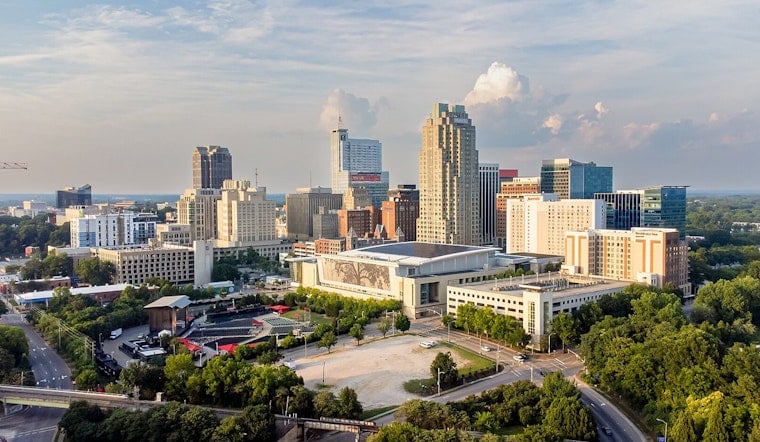
Raleigh's neighborhoods are pulling in a steady stream of new residents this year, from historic bungalows inside the Beltline to master planned suburbs on the city limits. With steady job growth and a cost of living that still undercuts bigger tech metros, where you land in Raleigh now can shape your commute, schools and resale prospects for years.
Recent local coverage from May pulls together a shortlist of the spots buyers and renters are chasing in 2026. As reported by Raleigh News & Observer, that guide sorts neighborhoods by lifestyle, with family friendly Wakefield and Five Points, buzzy Glenwood South and Downtown, and midtown North Hills all in the mix.
The reasons people keep moving here show up clearly in the numbers: Raleigh has been one of the fastest growing large cities in recent years and its job market remains a major draw. Per WRAL, population gains and employment opportunities around the Research Triangle continue to fuel demand for housing across the city.
Family‑friendly picks
Buyers with kids will find plenty of options that trade convenience for space. Wakefield is the master planned choice with pools, trails and a championship golf course, while Five Points and Stonehenge offer older lots and a quieter, more established feel. As the Raleigh News & Observer notes, Brier Creek and newer subdivisions such as Bryson Village are where buyers often land more square footage for the price.
Historic neighborhoods and why they matter
Raleigh’s Victorian porches and tree lined streets still move quickly. Oakwood and Hayes Barton keep commanding premiums because of their character and proximity to downtown. The city’s own parks page highlights Mordecai Historic Park, noting that the Mordecai House is Raleigh’s oldest home still on its original foundation, which underscores why preservation districts remain popular with buyers who want a sense of place. The City of Raleigh maintains tours and programming at the site.
Where young professionals and the scene are
If you want nightlife, short walks and quick access to coworking, Glenwood South and Downtown are the usual bets. Raleigh Magazine has chronicled Glenwood South’s rooftop bars and dense restaurant scene as a primary draw. Recent reporting also shows North Hills continuing to evolve as a polished midtown with more residential towers and mixed use projects in the pipeline. See development reporting in Axios for recent project details.
Neighborhoods investors are watching
Longer term upside is not confined to inside the Beltline. Areas around Transfer Co. Food Hall and Dorothea Dix Park have attracted infill projects and higher foot traffic, which makes them tempting for small scale investors and condo buyers alike. Transfer Co.’s own site frames the hall as a downtown gathering place that helps activate nearby blocks, while local real estate guides point to Falls River and Six Forks as corridors where new mixed use product and school draws are changing the math for buyers and renters. Transfer Co. Food Hall and local market pages provide more context on recent activity.
There is no single “best” Raleigh neighborhood. The smartest pick depends on your commute tolerance, school priorities and whether you need instant walkability or long term upside. It is worth visiting a few areas at different times of day, comparing recent sales or rental listings, and factoring in commuting patterns to RTP and downtown before you decide.



