

























































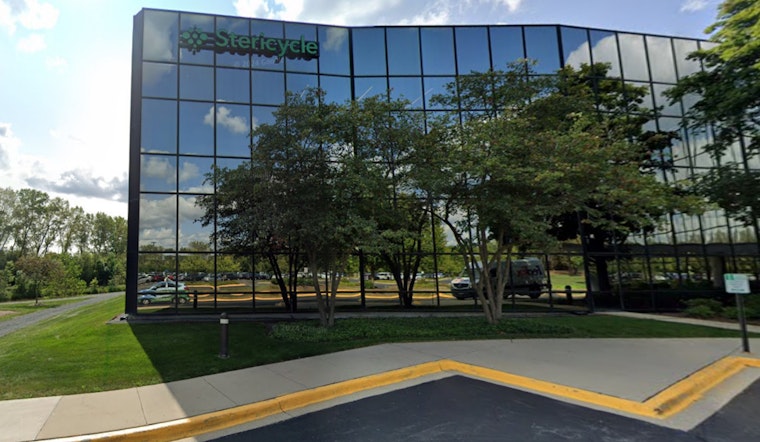
Stericycle Inc. will pay more than $56 million to put parallel criminal and civil probes behind it after federal investigators scrutinized how the company handled prescription drugs meant for disposal. Prosecutors said the company failed to report thefts and stored controlled substances in unsecured or unregistered locations, creating chances for the drugs to be diverted across its U.S. network.
What prosecutors say
In a press release from the U.S. Attorney’s Office, officials said Stericycle agreed to a one-year deferred prosecution agreement that includes a $19.08 million criminal penalty and $37.81 million to resolve civil liability. U.S. Attorney Eric Grant said, "Stericycle has accepted responsibility for handling controlled substances in a manner that was insecure, unsafe and unlawful." The Drug Enforcement Administration and the FBI led the investigation, according to prosecutors.
Timeline and corporate moves
Prosecutors said the misconduct stretched from 2015 through 2020, when Stericycle ran a retail controlled-substances collection and disposal business. That line of business was divested in April 2020, according to filings with the SEC. The rest of Stericycle’s operations were later acquired by Waste Management, which completed its purchase in November 2024 and now owns the successor operations.
Rancho Cordova facility and earlier enforcement
Long before the federal settlement, state regulators had already trained their sights on Stericycle’s Rancho Cordova hazardous-waste facility at 11855 White Rock Road. After a series of incidents there, the state denied a permit renewal in 2020, according to the California Department of Toxic Substances Control. That enforcement action, which documents fires and other compliance problems at the site, helps explain why prosecutors focused on security and storage practices tied to the divested drug-disposal business.
Legal implications and next steps
Under the one-year deferred prosecution agreement, Stericycle must cooperate with any ongoing investigations and upgrade its compliance program with independent oversight, stronger training, internal investigations and regular reporting to the Department of Justice, according to the U.S. Attorney’s Office. Prosecutors also stressed that the deal does not shield any individual employees or executives from potential criminal charges and that civil or criminal actions could follow if the company fails to live up to the agreement.
What this means locally
Hospitals, pharmacies and other health care customers that relied on the divested business are now likely to revisit their own chain-of-custody and disposal practices as regulators and clients watch to see whether compliance improvements stick. For Rancho Cordova residents and local officials, the case adds another chapter to long-running safety concerns at a site state regulators once ordered toward closure.





