

























































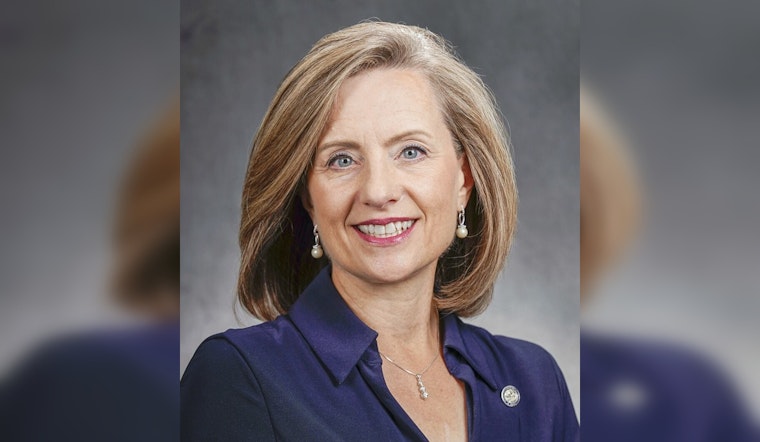
State Rep. Kristin Robbins, who chairs the Minnesota House Fraud Prevention and State Agency Oversight Policy Committee, on Wednesday rolled out the "Waste, Fraud and Abuse in Minnesota" report and accused the Walz administration of fostering a culture that tolerated fraud and failed to hold officials accountable. The committee, created under a power‑sharing deal last session, is set to dissolve when the Legislature finishes its current cycle. Robbins has pitched the report as a roadmap to show how deeply fraud has seeped into public programs and to steer the next moves for lawmakers and investigators.
Robbins's overview
Speaking to local reporters, Robbins argued that the Walz administration "enabled fraud by having a culture that accepted, tolerated [fraud] and did not hold anyone accountable," and said the new document is meant "to understand the scope and depth of fraud in public programs," according to FOX 9. The short video segment also notes that the panel was born out of last session's power‑sharing agreement and that it will sunset at the end of the current session. Throughout its run, Robbins has used the hearings to push for statutory changes to how the state polices grants, licenses and payments tied to child care, housing and Medicaid programs.
Committee origins and hearings
The fraud panel was formed in 2025 under an unusual power‑sharing arrangement that handed Republicans control of the committee, according to KSTP, and members have since held more than a dozen hearings examining everything from child‑care assistance to Housing Stabilization Services. The work has often been described as providing more spotlight than stoplight, raising alarms about potential problems but, critics say, not yet delivering sweeping legislative fixes. Lawmakers in both parties have split over whether the core issue is bad actors gaming the system, weak internal controls at state agencies, or some mix of the two.
Feeding Our Future and broader investigations
Federal prosecutions tied to pandemic‑era programs, most prominently the Feeding Our Future cases, have highlighted the alleged scale of fraud and fueled calls for an independent inspector general, as reported by the Star Tribune. U.S. prosecutors and auditors have connected Feeding Our Future and related probes into autism therapy and other services to hundreds of millions of dollars in alleged losses, with those investigations still generating new criminal cases and legislative scrutiny. Against that backdrop, Republicans have sharpened their criticism that the executive branch did not move quickly enough when early warning signs emerged.
State response and next steps
The Walz administration has responded with a slate of reforms, including a 2025 executive order that created a statewide program‑integrity council, tightened data‑sharing rules and commissioned outside reviews of agency controls, according to CBS Minnesota. The governor's office has argued that these measures will modernize fraud detection and add new tools to withhold payments when investigations are credible. Robbins and other GOP lawmakers say the effort does not go far enough and are still pushing for a standalone Office of Inspector General within the executive branch.
What comes next
With adjournment on the horizon, the committee's remaining meetings are expected to serve as a final round of public hearings and bill pitches before the work, if it continues, migrates to other committees or a future session, according to recent coverage in the Minnesota House's Session Daily. Federal investigators and congressional oversight panels have also launched probes and hearings that will keep the focus on potential fraud well beyond the Capitol, according to a release from the U.S. House Oversight Committee. For now, Robbins says the report is intended to keep pressure on state agencies and to give voters and officials a clearer ledger of where public funds went wrong as the 2026 campaign season approaches.





