

























































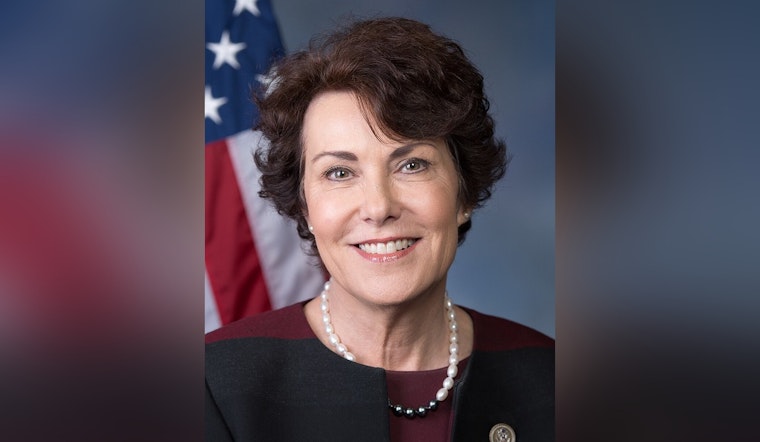
The desert furnace is officially back on. Las Vegas hit 100 degrees on Friday, the valley’s first triple-digit day of 2026 and a likely preview of another rough heat season, according to local forecasters. With memories of last summer’s record 120°F high and a wave of heat-related emergencies still fresh, U.S. Sen. Jacky Rosen is pushing to have "extreme heat" treated as a federal disaster so communities can tap emergency funds for cooling centers, mobile cooling units and other fast-response relief.
Rosen’s proposal, the Extreme Heat Emergency Act, would explicitly add "extreme temperatures" to the list of events that qualify for a presidential major disaster declaration, opening the door to FEMA resources and other federal programs, according to Sen. Jacky Rosen’s office. The idea is to let state and local leaders formally request federal aid during dangerous heat waves instead of scraping by on local budgets to keep cooling sites open and emergency crews staffed.
The stakes in Southern Nevada are not theoretical. The Clark County coroner reported that heat was a factor in 527 deaths during the 2024 heat emergency, according to Clark County. A separate analysis by the Southern Nevada Health District counted thousands of heat-related emergency department visits and flagged recurring risk factors, including substance use and homelessness.
Thermometers told the story too. Las Vegas notched a new official all-time high of 120°F last year and endured record stretches of triple-digit days, highlighting the strain on public health and basic infrastructure, as reported by the Las Vegas Review‑Journal. Urban planners say the city’s heat islands, where pavement and sparse tree cover trap warmth, concentrate the danger in certain neighborhoods.
How a Disaster Label Would Change Aid
The bill would write "extreme temperature" into the Stafford Act’s definition of a major disaster, which would give governors a clearer path to seek FEMA response and recovery help for heat waves, according to Congress.gov. Sponsors stress that the measure would not automatically create new funding, but it would make it easier to activate existing federal programs and technical assistance that are often harder to unlock for slow, grinding emergencies like heat compared with sudden events like floods or hurricanes.
Relief Available Now
Some federal relief channels are already in play, even without a new disaster label. The Farm Service Agency has designated drought-affected areas that include parts of Nevada as natural disaster zones, which triggers access to emergency agricultural credit, according to the Farm Service Agency. The U.S. Small Business Administration has also rolled out low-interest disaster loans for Nevada businesses and nonprofits hit by drought-related impacts, according to the U.S. Small Business Administration. On the ground, Clark County and the Southern Nevada Health District operate a "Beat the Heat" outreach campaign and maintain daytime cooling centers for residents who need a safe place to ride out the hottest hours.
Experts and officials say a federal policy shift would simply catch up to lived reality. "We always say extreme heat is the silent killer," said Dr. Steffen Lehmann, director of UNLV’s Urban Futures Lab, in an interview with FOX5; Lehmann is listed as director at UNLV. Sen. Rosen told FOX5 that "extreme heat kills in the same way that extreme cold does," and argued that an official disaster designation would let governments plan, coordinate and switch on relief efforts more quickly.
Translating the bill into law will require Congress to act, followed by what is expected to be years of federal rulemaking, so local leaders say they cannot wait on Washington to prepare for the next scorching stretch. In the near term, they point to more cooling locations, focused outreach to seniors and people experiencing homelessness, and energy assistance for low-income households as essential steps to blunt the next wave of heat. City, county and state officials say the combination of any eventual federal policy change with on-the-ground preparedness will help determine whether future summers repeat the same deadly public health toll.



.jpg)