

























































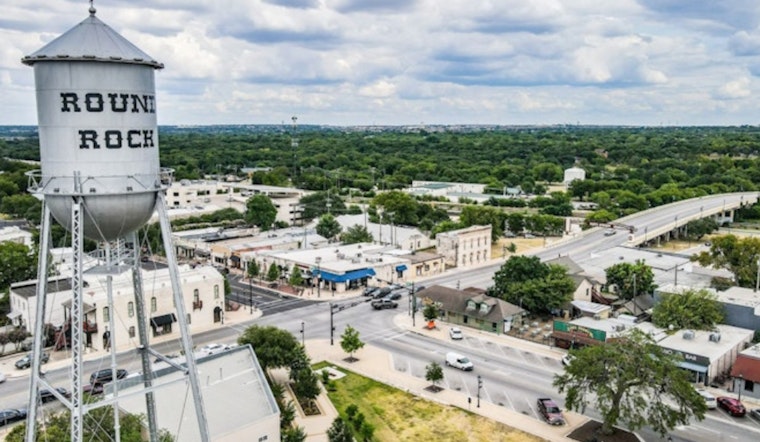
Round Rock drivers may soon see fewer seas of asphalt outside new businesses. The City Council voted Thursday to relax long‑standing parking rules, dropping minimum on‑site parking requirements for most nonresidential development. That means new shops, offices, and other commercial projects can legally build fewer, or even zero, off‑street spaces, a shift city planners say could trim construction costs and free up land for other uses. Staff spent roughly a year crafting the proposal ahead of the vote.
What the council put on the books
The ordinance tweaks Chapter 8, Article VI of the city’s Zoning and Development Code to “reduce, modify, or eliminate” the minimum number of required off‑street parking spaces for certain nonresidential uses, according to the Round Rock City Council agenda. The item appeared as a first‑reading ordinance, and the agenda notes that the council may skip a second reading if all members agree.
Officials say it will cut costs and unlock redevelopment
Brad Dushkin, director of Planning and Development Services, told staff the amendment “would leave parking volume up to the free market” and argued that people are driving less and using rideshares more, which he said undercuts the need for one‑size‑fits‑all minimums, as reported by Community Impact. City staff also presented the change as a way to encourage redevelopment and shrink oversized paved lots that worsen stormwater runoff and urban heat.
Code changes and limits
The amendment revises the off‑street parking table, removes minimums for many nonresidential uses, and keeps minimums in place for certain assembly uses, according to the City of Round Rock. It does not touch space dimensions, drive‑aisle standards, stacking rules for drive‑throughs, stormwater requirements, landscaping standards, or existing downtown parking rules. When a project builds on‑site parking, accessible stalls are still required.
Neighborhood concerns and parking permits
City officials acknowledged during a packet briefing that if developers build fewer spaces, some drivers could spill onto nearby neighborhood streets, a concern flagged by Community Impact. As a counterweight, they pointed to the city’s residential parking permit districts. Round Rock currently runs two such districts, Lake Creek West and Plantation Cove, and details are available on the City of Round Rock website.
Part of a larger trend
Round Rock is not alone in dialing back parking mandates as cities look to lower development costs and promote more walkable, mixed‑use areas. Regional planners have warned that in auto‑oriented places, the private market by itself may not significantly reduce parking without other policy changes, a point underscored in guidance from the North Central Texas Council of Governments.
What comes next
The Planning & Zoning Commission reviewed the amendments earlier this spring, and commission materials show staff spent months preparing the change, according to the commission agenda. Developers and neighborhood groups will now be watching to see how market demand and site‑specific design decisions shape the parking that actually gets built. The full impact on traffic and side‑street parking may not become clear for several months.





